A shared activity has a less visible second half: putting away the materials and returning the space to ordinary use. If that part is never discussed, it often belongs to whoever notices the mess first. Include cleanup when agreeing on the activity, with a finish that everyone can understand and a few minutes reserved before people leave.
Name what returning the space means
For a board game, the finish might be pieces counted and the box put away. After crafts, it could include tools secured, supplies stored and the table cleaned appropriately. Avoid a vague instruction to “help tidy” when different people imagine different amounts of work.
Separate essential steps from a full room clean. The activity should restore what it used and address any immediate safety or hygiene needs. It does not automatically make participants responsible for unrelated chores that were already waiting.
Divide work by complete pieces
One person can gather game pieces while another returns chairs. During cooking, someone might handle serving dishes while another stores food safely. Choose tasks that can happen without people crowding the same sink or counter. A complete assignment is easier to carry through than repeatedly asking who can do the next small thing.
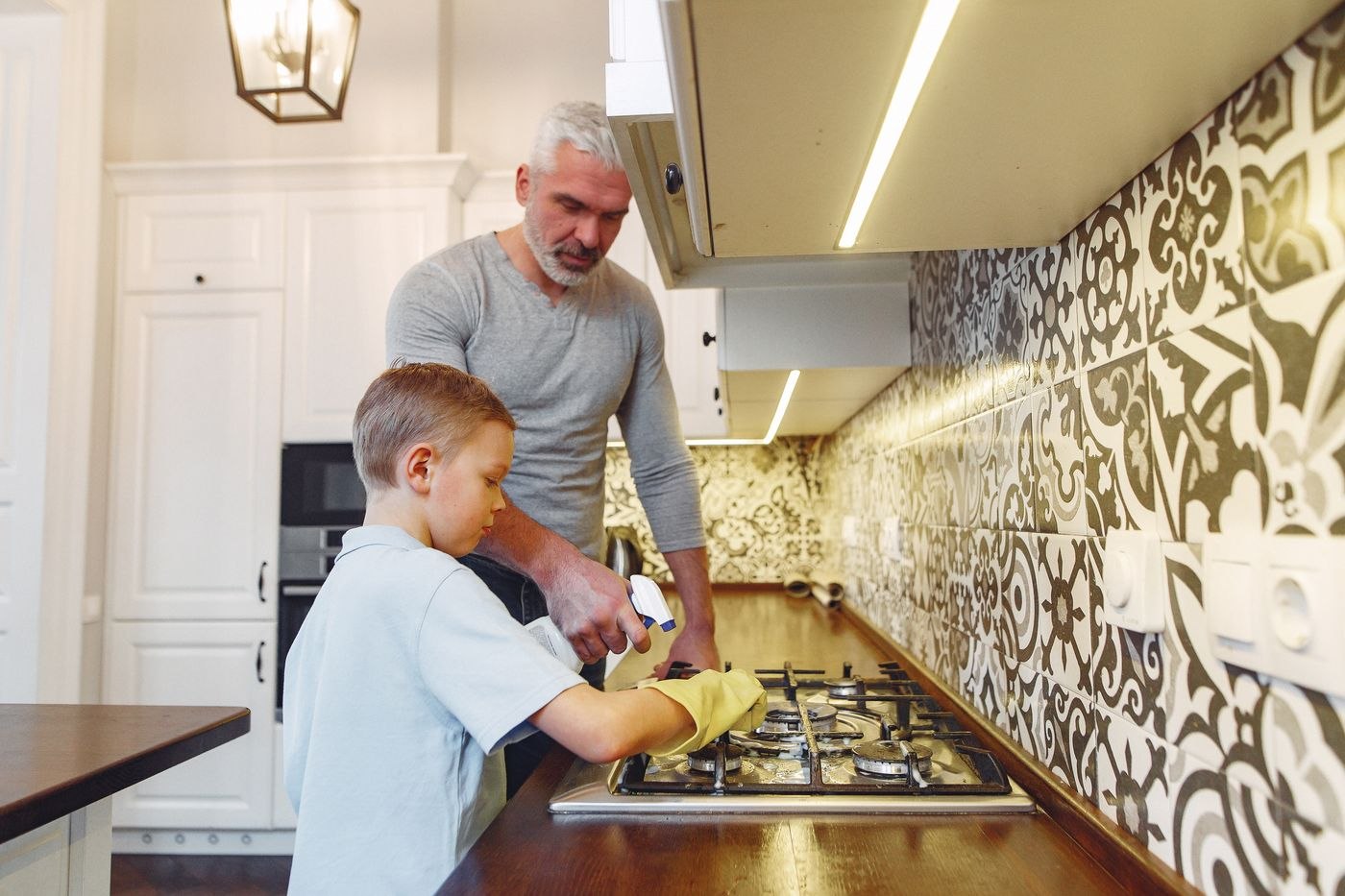
Match tasks to people's abilities and responsibilities. Children can take part in suitable work with supervision, while adults handle hazardous products, sharp equipment and other inappropriate tasks. Keep cleaning supplies secure and follow their directions; never mix products while trying to finish faster.
Leave time before the goodbye
If an activity has a fixed ending, begin its closing step before that time. Announcing cleanup only as people put on their coats makes it feel like an unexpected extension. A brief reminder helps the group complete a final round or pause a project without leaving everything mid-action.
If someone must leave early, arrange their contribution beforehand. They might help set up or complete a particular task before departing. Fairness does not require every person to do an identical job at the same moment, but the arrangement should be visible rather than assumed.
Notice the work that remains
Some tasks cannot finish immediately, such as storing an item that must dry according to its care instructions. Name who will complete that final step and where the item should wait safely. Otherwise the apparent group cleanup can still leave one person carrying a hidden remainder.
Keep the closing routine proportionate. The aim is to make shared activities easier to repeat, with the room ready for its next use. When everyone understands the finish, cleanup can become part of the activity instead of a separate dispute afterward.