An activity described as suitable for everyone can still exclude someone through its pace, rules, cost, noise, or physical demands. Before choosing, ask what would make participation comfortable for the people involved. Start with the group you have rather than an ideal picture of a family afternoon. A modest activity that people can join willingly may work better than an ambitious outing that requires persuasion.
Ask a few useful questions
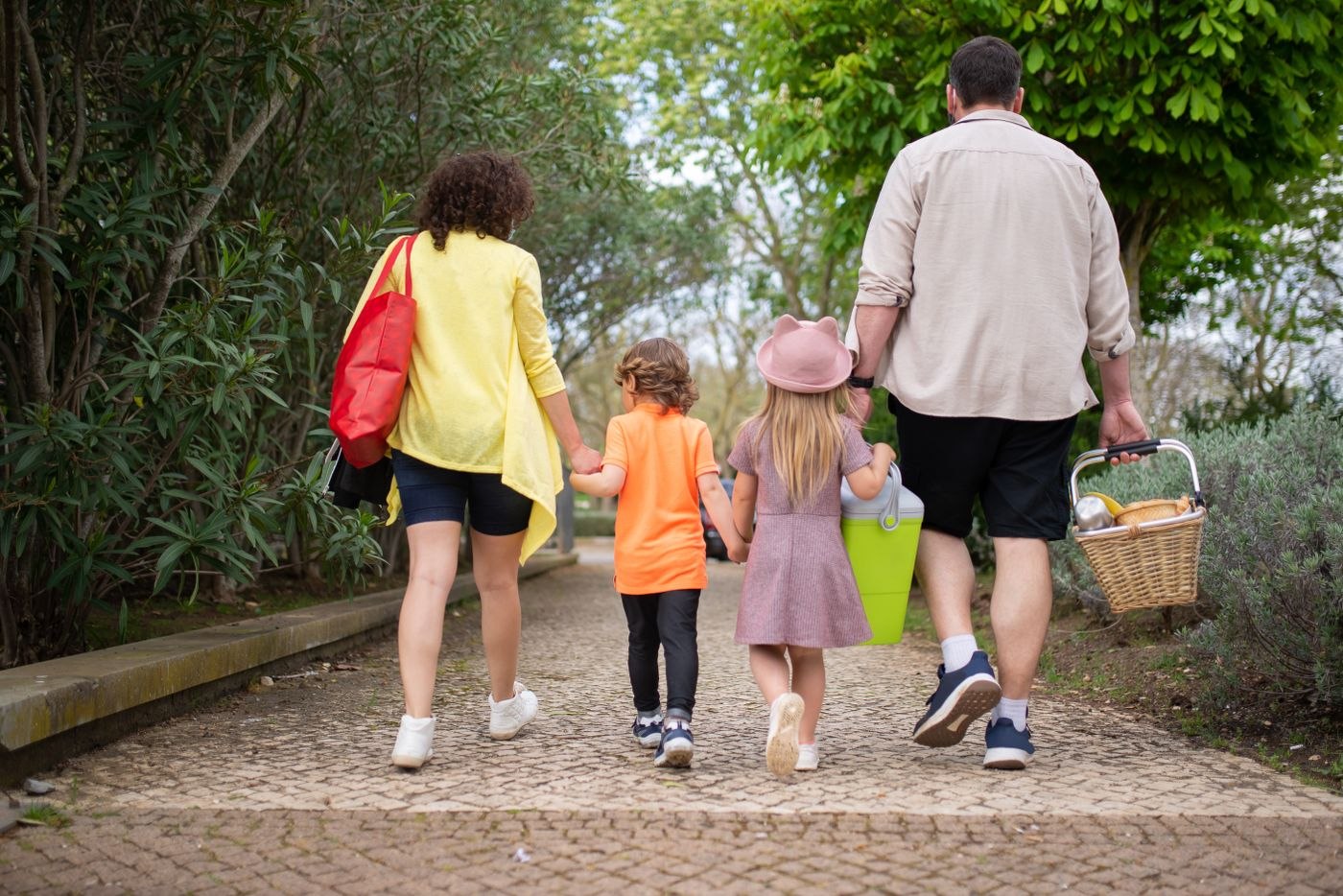
Find out how much time is available and whether anyone needs a seated option, a quieter setting, a shorter distance, or particular access arrangements. Check the real conditions of a venue or route when relevant. Do not infer someone's ability or preferences from age alone.
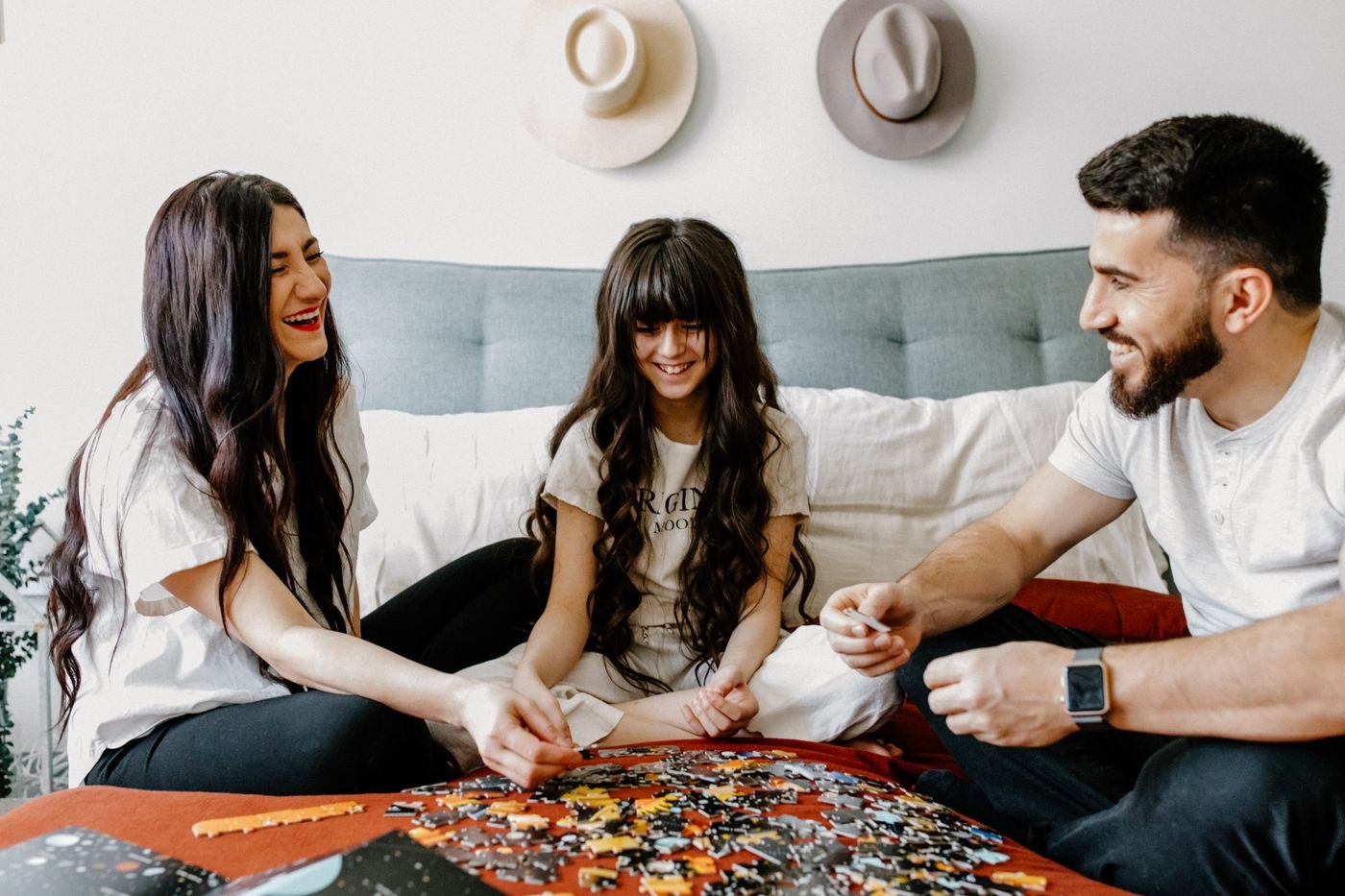
Offer a small choice rather than an unlimited brainstorming session. Reading together, a simple game, cooking a familiar dish, or a short local walk each offers a different kind of participation. Let people explain what does not work for them without treating that as a refusal to spend time together.
Adapt the activity itself
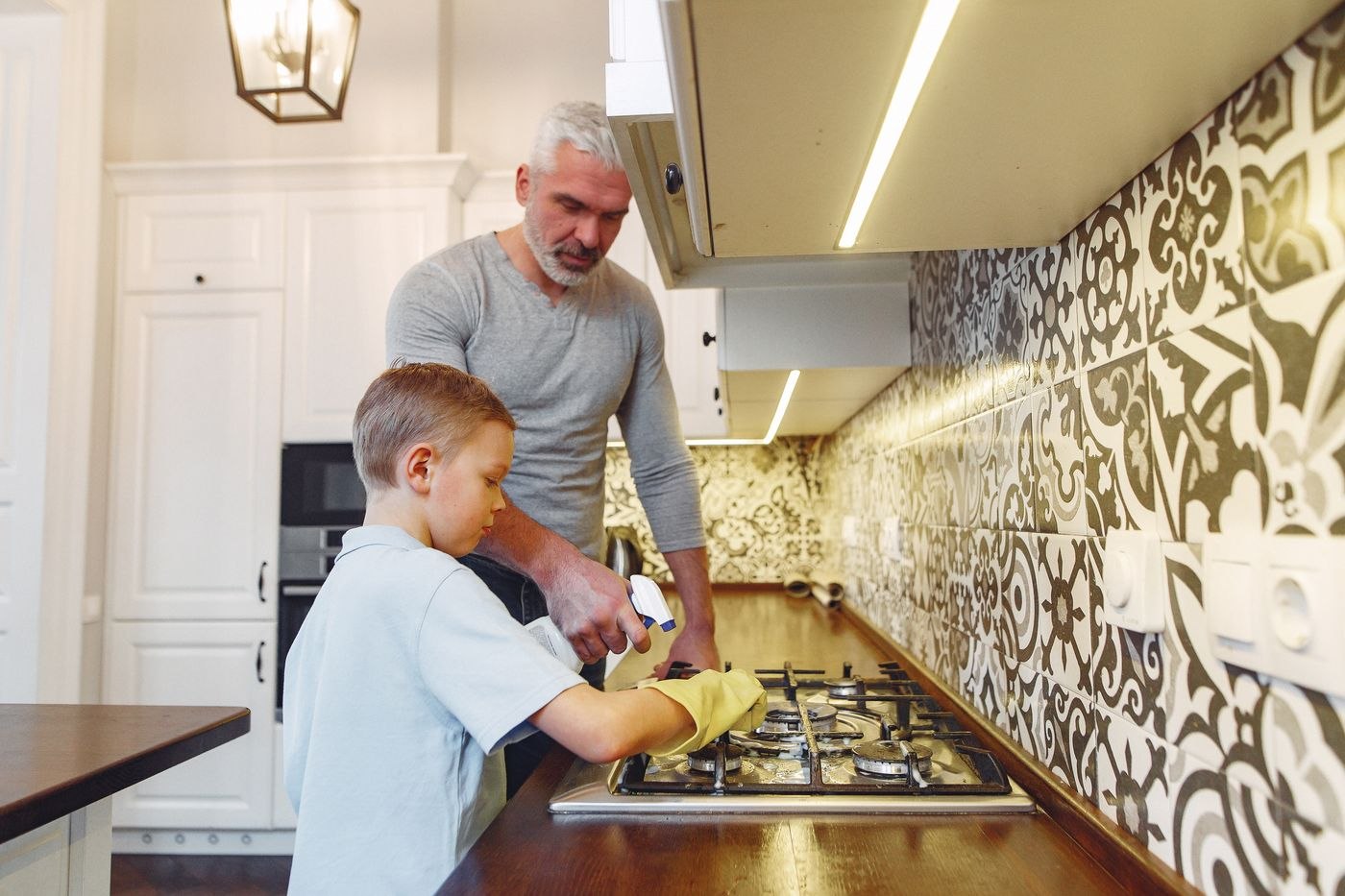
Choose roles that allow different levels of involvement. During cooking, one person may read instructions while another prepares ingredients and someone else sets the table. Keep food safety and suitable supervision in place. For games, select rules and materials that participants can understand and use, with adaptations agreed before play.
Avoid making one person's limitation the subject of the entire event. Present the arrangement as the plan for the group. A shorter route or quieter game can simply be the chosen activity, without repeated reminders about why it was selected.
Give people a way to stop
Agree on an approximate finish and allow a reasonable way to step out. An activity that can end gracefully is often easier to begin. Children still require appropriate supervision, and any alternative arrangement should be clear.
Afterward, ask what people enjoyed and what they would change. Keep the successful elements without assuming the same choice will suit every occasion. Shared time works through attention to the people participating, not through a label promising that one activity is universally appealing.