A breakfast station is simply a defined place for the things a household uses in the morning. It does not need a dedicated cabinet, matching jars, or a permanent display of every possible breakfast. Start with the food and equipment used most often, then decide which items can sensibly be stored together. Refrigerated food stays refrigerated; the station can include a reminder or a nearby bowl without requiring every ingredient to sit out.
Follow one normal breakfast
Notice the route from cupboard to refrigerator to table. Count the repeated trips rather than the number of objects on display. Bowls stored far from cereal may be a small inconvenience; a toaster blocking the only preparation surface may be a larger one. Choose the change that improves the actual sequence.
Group shelf-stable items according to their labels and your preferences. Keep frequently used bowls, spoons, or cups within suitable reach. For children, decide what they can access and prepare independently, with appropriate supervision. Independence should not require reaching over a hot appliance or climbing on furniture.
Give appliances proper space
Place the toaster, kettle, or coffee equipment according to its instructions, including clearance, electrical supply, and precautions around water and heat. Keep cords from trailing into walkways or over edges where they could be pulled. A tidy-looking grouping is not suitable if it crowds equipment or makes it difficult to use safely.
Allow a clear landing area for hot cups and plates. Do not fill every inch with containers. Consider whether two people can use the station at once without reaching across each other. In a small kitchen, a cupboard containing the supplies may work better than a permanent counter arrangement.
Keep choices manageable
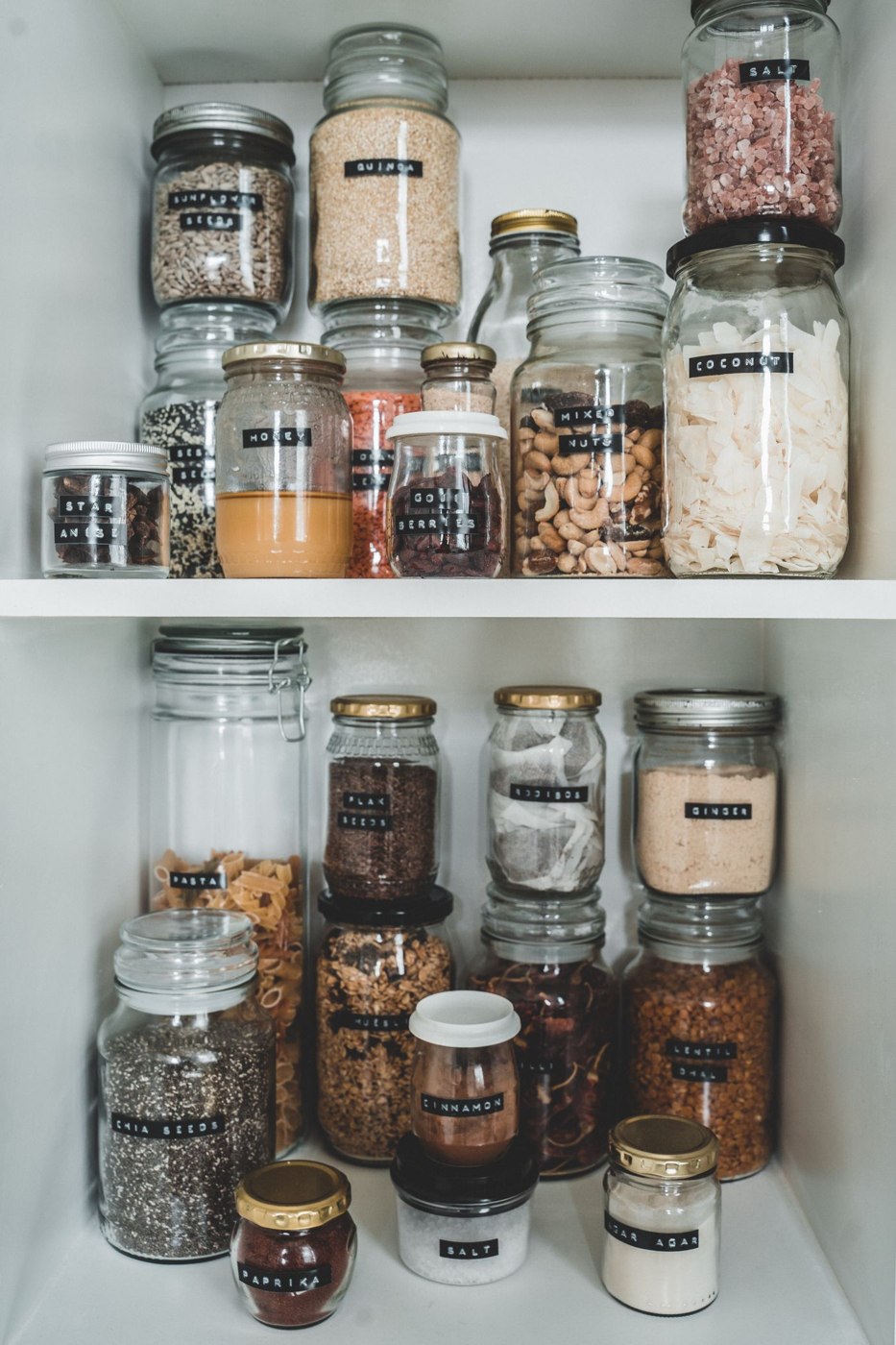
Offer the familiar options the household actually uses. A large display of cereals, spreads, and accessories can create more cleaning and restocking than convenience. Store backups elsewhere in a clear, accessible place. Preserve package information, including ingredients and allergens, if any food is transferred to suitable containers.
Decide how missing supplies reach the shopping list. The person who finishes a product can record it, where appropriate, instead of leaving an empty package for somebody else to discover. Keep shared and personal items clear when dietary needs or preferences differ.
Build in the return journey
Provide an obvious place for used dishes and a way to wipe crumbs or spills. After breakfast, return perishable food to appropriate storage promptly and leave equipment as its instructions require. The station should be easy to reset, not a display that remains usable only if someone carefully rearranges it.
Try the setup for a few mornings before buying anything. If an object never gets used, remove it. If the same essential is always fetched from another room, reconsider its location. A good breakfast station shortens ordinary movements and leaves the kitchen ready for the next activity.