A spice collection often grows one recipe at a time. Eventually the same jar is bought twice while another sits untouched at the back. Before choosing a rack, look at the dishes you commonly cook and the space available near your preparation area. The best arrangement makes those familiar ingredients easy to find while preserving the storage conditions stated on their packaging.
Choose a grouping you can remember
Alphabetical order suits some cooks, especially with a larger collection. Others prefer groups used together, such as baking spices or ingredients for frequently cooked dishes. Either can work if the other people using the kitchen understand it. Avoid a category system so personal that only its creator can put a jar back.
Keep less frequently used items accessible but separate from the daily group. Check for duplicates before adding more storage. If two jars contain the same product, retain their identity and date information; do not combine them automatically when their age or condition differs.
Match labels to the viewing angle
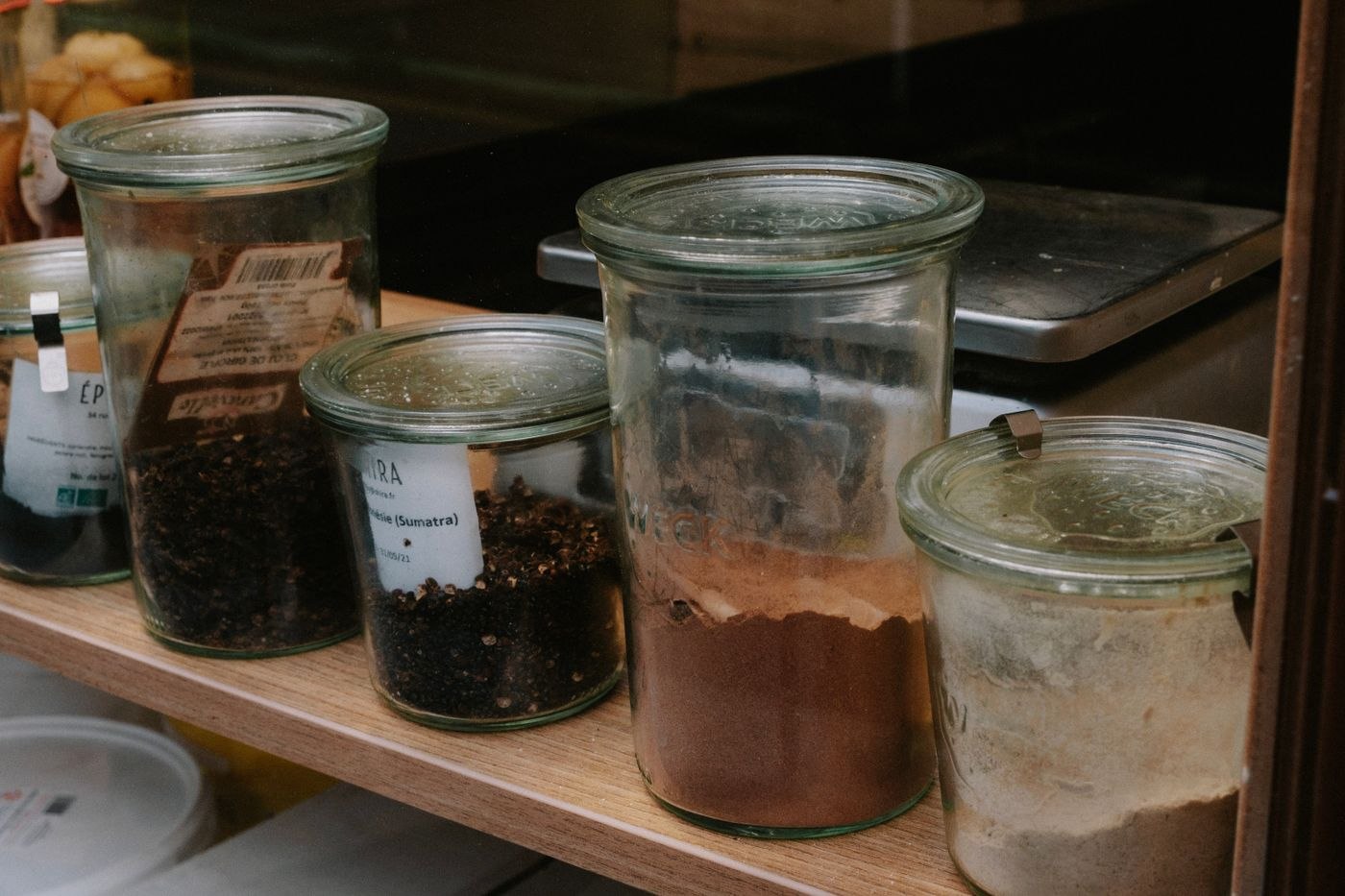
A drawer needs readable labels on top, while a shallow shelf usually needs front labels. Test the arrangement with the actual jar sizes before buying an insert. Tall jars, packets, and grinders may not fit the uniform spaces shown in a product photograph.
Preserve ingredient and allergen information, particularly for blends. If using replacement containers suitable for food storage, label the contents clearly and keep the original information where it can be checked. Similar-looking powders should not require guessing during cooking.
Respect storage and cleanup
Follow the product's storage directions. Choose a location that does not expose spices unnecessarily to heat, steam, or splashes. A convenient spot immediately above the stove may not be the best storage environment. Keep the shelf or drawer easy to wipe if a jar leaks or a packet opens.
Return jars after use and add replacements to the shared list when needed. Before buying a spice for one new recipe, consider whether the quantity is appropriate and whether another planned dish will use it. That does not prohibit experimenting; it simply keeps the collection connected to the cooking you intend to do.
Review the group occasionally for products no longer wanted or suitable. An organized collection is not necessarily a large one, and emptying a shelf of unused jars may improve access more than adding another tier.