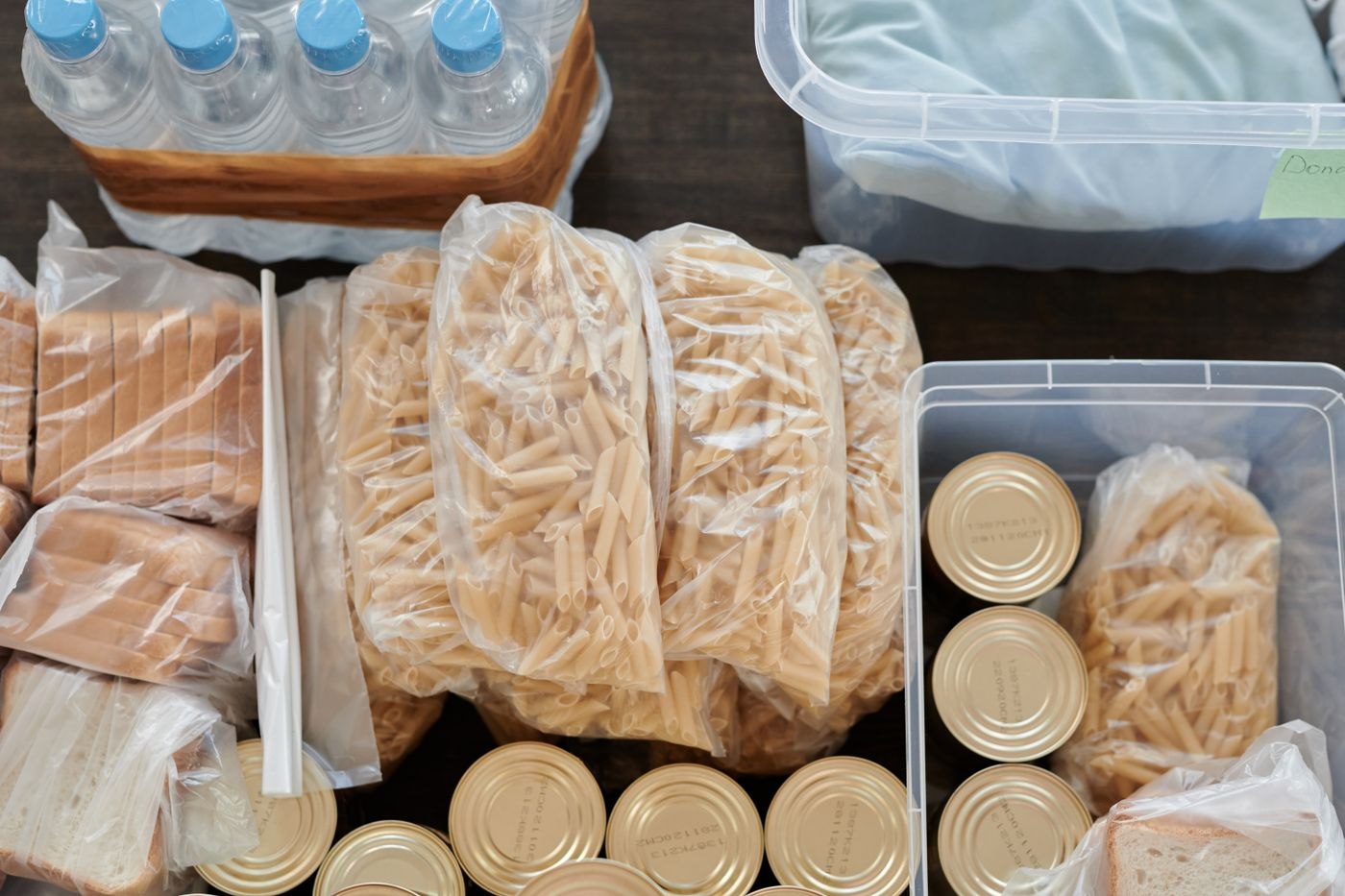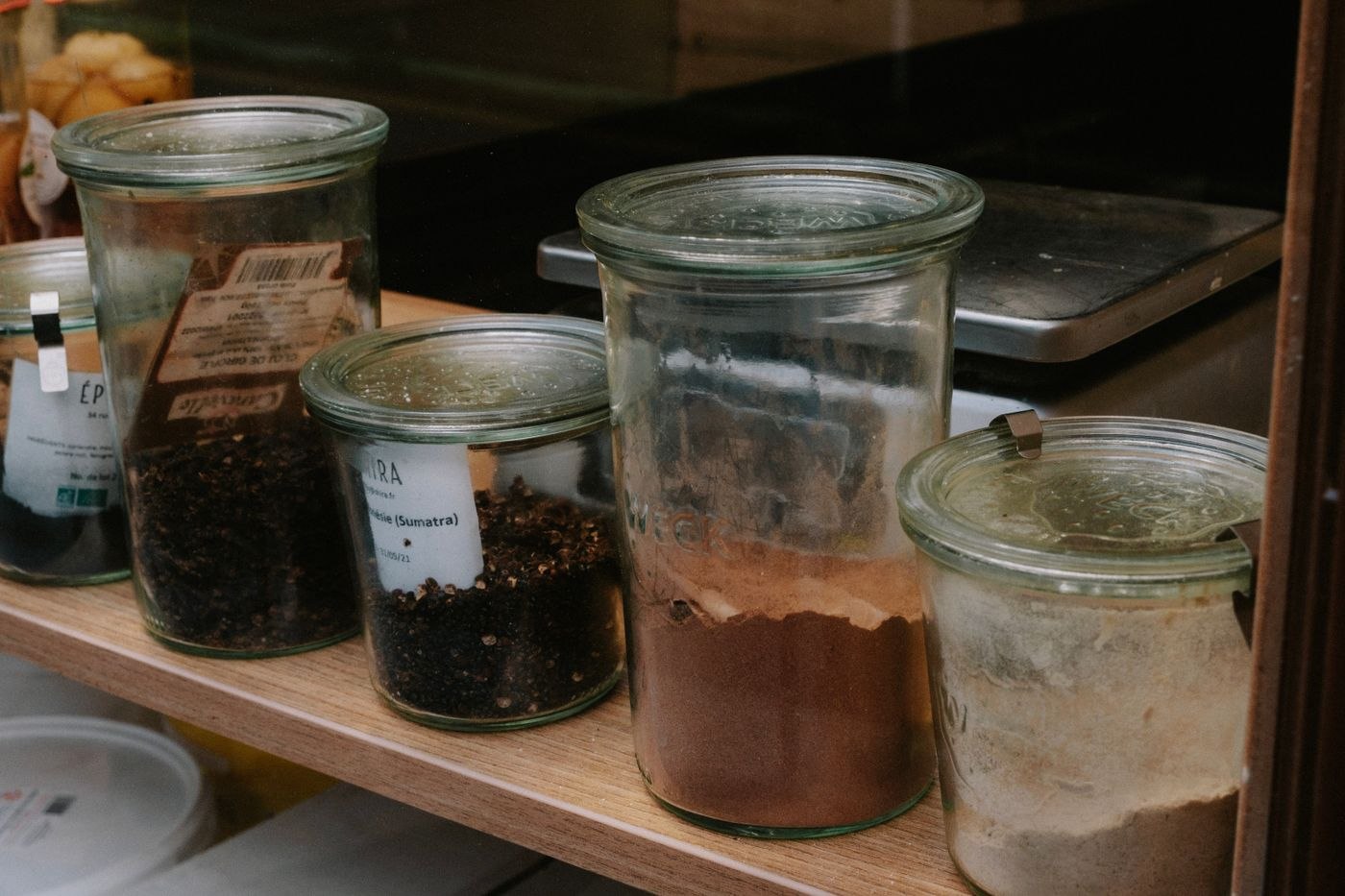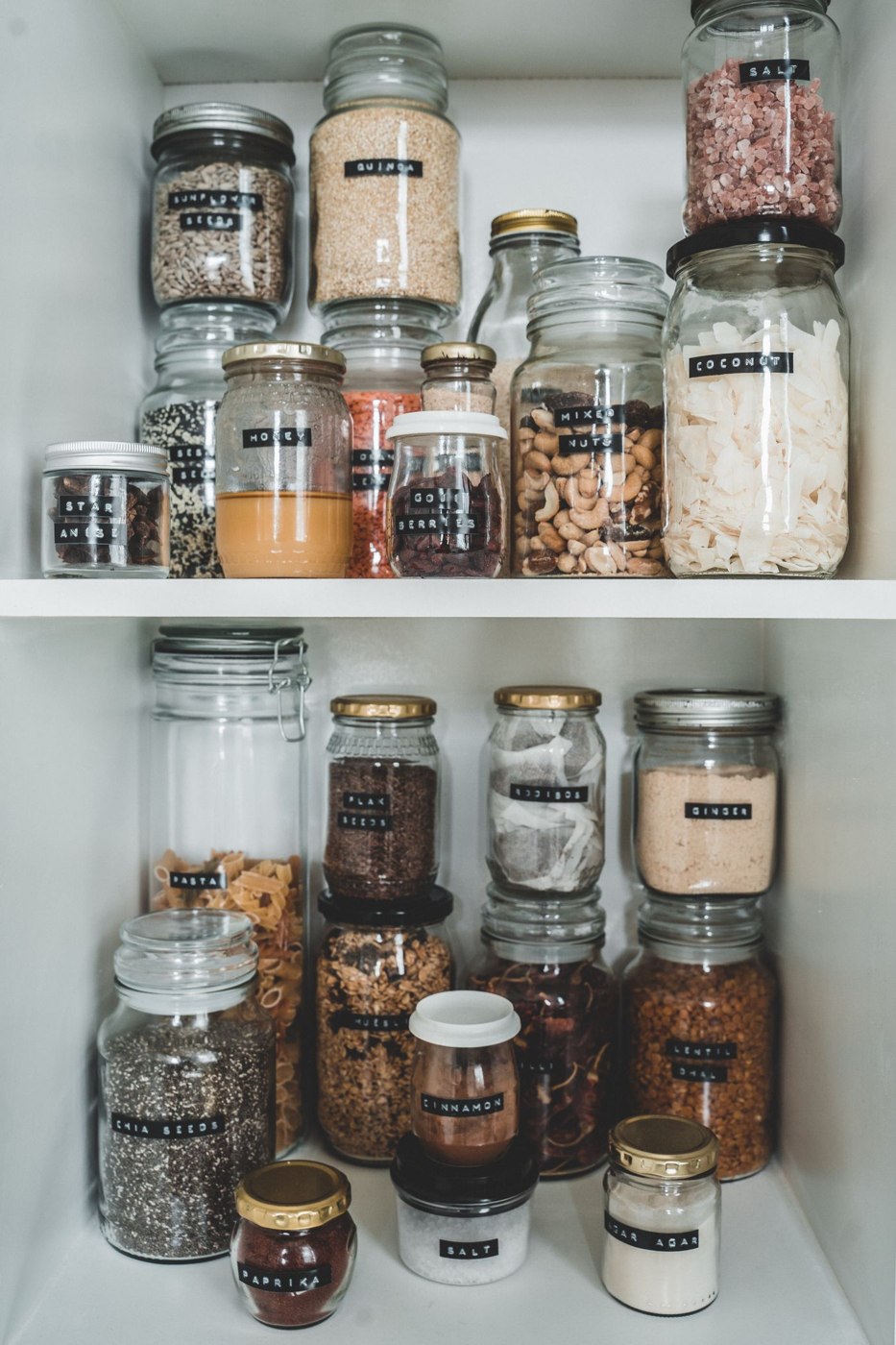
A pantry shelf is useful when you can see what is available, reach it without dismantling a stack, and return it to a predictable place. Matching containers may be attractive, but they are not the starting point. First look at the food you actually keep and the shelf's dimensions. The arrangement should suit the packages, household habits, and storage instructions involved.
Clear one manageable section
Work on a shelf or small area that can be restored in the available time. Check packages for damage, identify open items, and review dates alongside the product's storage guidance. Keep food whose safety or condition is uncertain out of the use-next group; uncertainty is not a reason to consume it quickly.
Wipe and dry the shelf appropriately before replacing food. If there is evidence of pests or a continuing moisture problem, address the cause rather than simply moving products into prettier containers. Follow suitable guidance for the situation and avoid using pest-control products around food contrary to their labels.
Group by how the food is used
Place everyday breakfast items together if that supports the morning routine. Keep baking ingredients in a group if they are usually used in the same session. A household that cooks many different cuisines may prefer a different grouping from one that repeats a small set of meals. The categories should be recognizable to the people using the pantry.
Put frequently used items at a comfortable height and avoid heavy packages on difficult-to-reach upper shelves. Do not stack glass jars or cans so precariously that removing one destabilizes the rest. Measure before buying risers or bins, including the space needed to lift an item out.
Preserve useful package information
Original packaging holds ingredient, allergen, date, and preparation information. If you decant a product into a suitable food-storage container, retain the information needed to identify and use it safely. Label the container clearly and do not mix products with different requirements simply to fill the available space.
Keep a realistic amount of backup stock. A second row can work when it is easy to see and rotate, but deep hidden supplies make duplicate purchases more likely. Place older suitable stock where it will be used first, while continuing to follow product instructions rather than relying only on position.
Make the next shopping check easy
Leave some space between groups so that a missing or nearly empty item is visible. An overflowing shelf can hide shortages as easily as abundance. Before shopping, check the groups relevant to the planned meals rather than attempting a full inventory every time.
If an item repeatedly moves away from its assigned place, ask why. The label may be unclear, the container awkward, or the location too far from where it is used. Adjust the arrangement to support ordinary movements. A pantry that looks less uniform but remains understandable is serving its purpose.