A pantry meal is most useful when its ingredients already belong in your ordinary cooking. A cupboard full of emergency foods that nobody enjoys is difficult to maintain. Begin with two or three meals you would be happy to eat on a normal evening, then identify the ingredients that can wait on the shelf until they are needed.
Choose combinations, not isolated staples
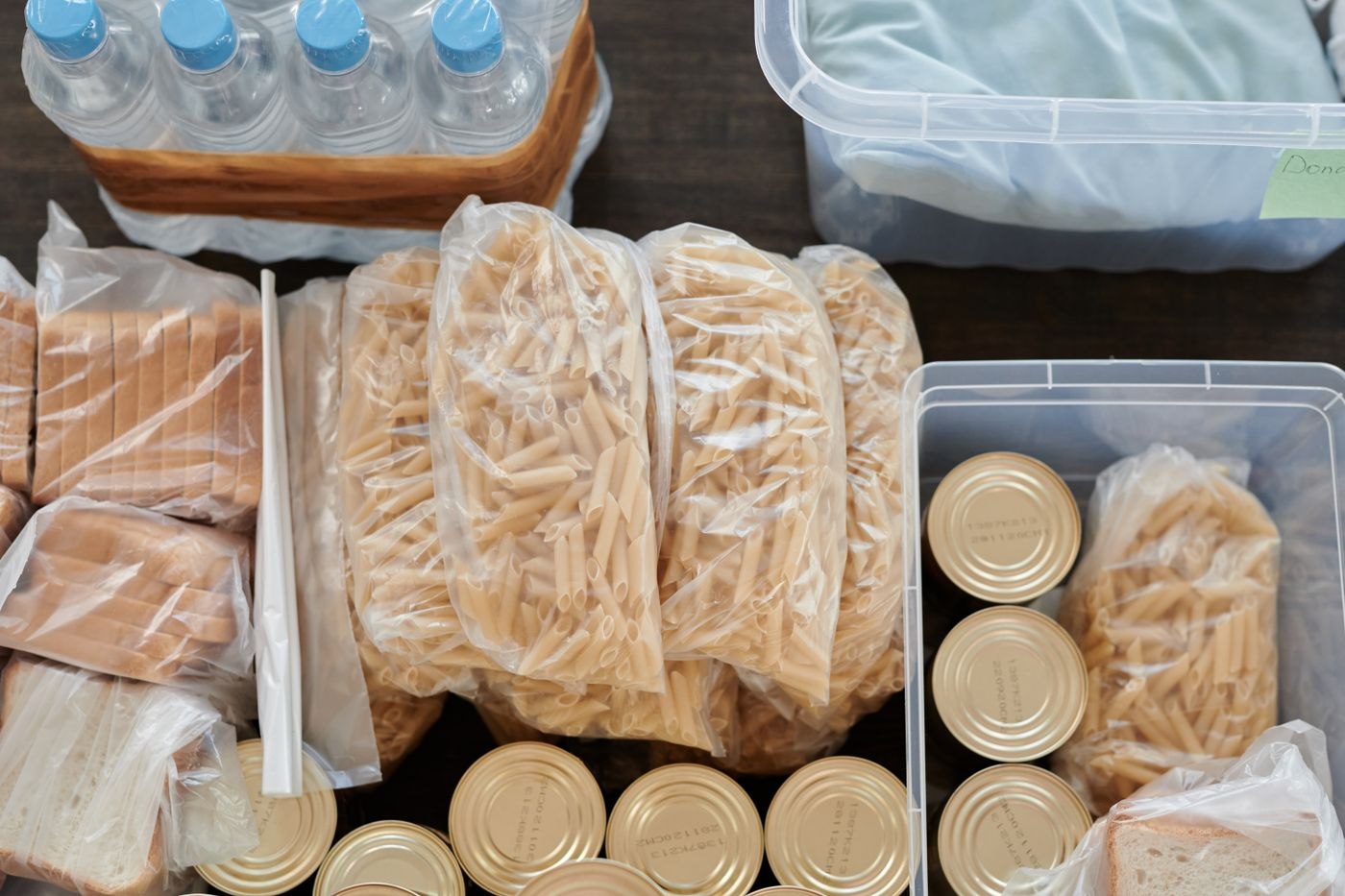
Pasta is an ingredient; pasta with a sauce and a suitable addition is closer to a meal. Write a short combination beside each backup option. A bowl built around rice and beans, or a soup assembled from familiar shelf-stable ingredients, can work if those are foods the household likes and can eat.
Include the small ingredients that make the combination usable. Oil, seasoning or a sauce may be essential to the version you actually enjoy. Avoid relying on a fresh ingredient that is rarely available when plans change. If the meal works without it, treat that ingredient as an optional addition rather than a missing requirement.
Check equipment and effort
A backup meal should fit the circumstances in which you expect to use it. A lengthy recipe is unlikely to solve a late evening. Consider the washing-up as well as the cooking. A meal that needs several pans may still be worthwhile, but it is a different kind of backup from one that uses a single saucepan.
Also distinguish an ordinary busy-night meal from emergency preparedness. Foods that need refrigeration after opening or require an electric stove may be convenient on a weekday but unsuitable during a power outage. This small pantry plan is for everyday scheduling problems, not a complete emergency supply system.
Make the reserve visible
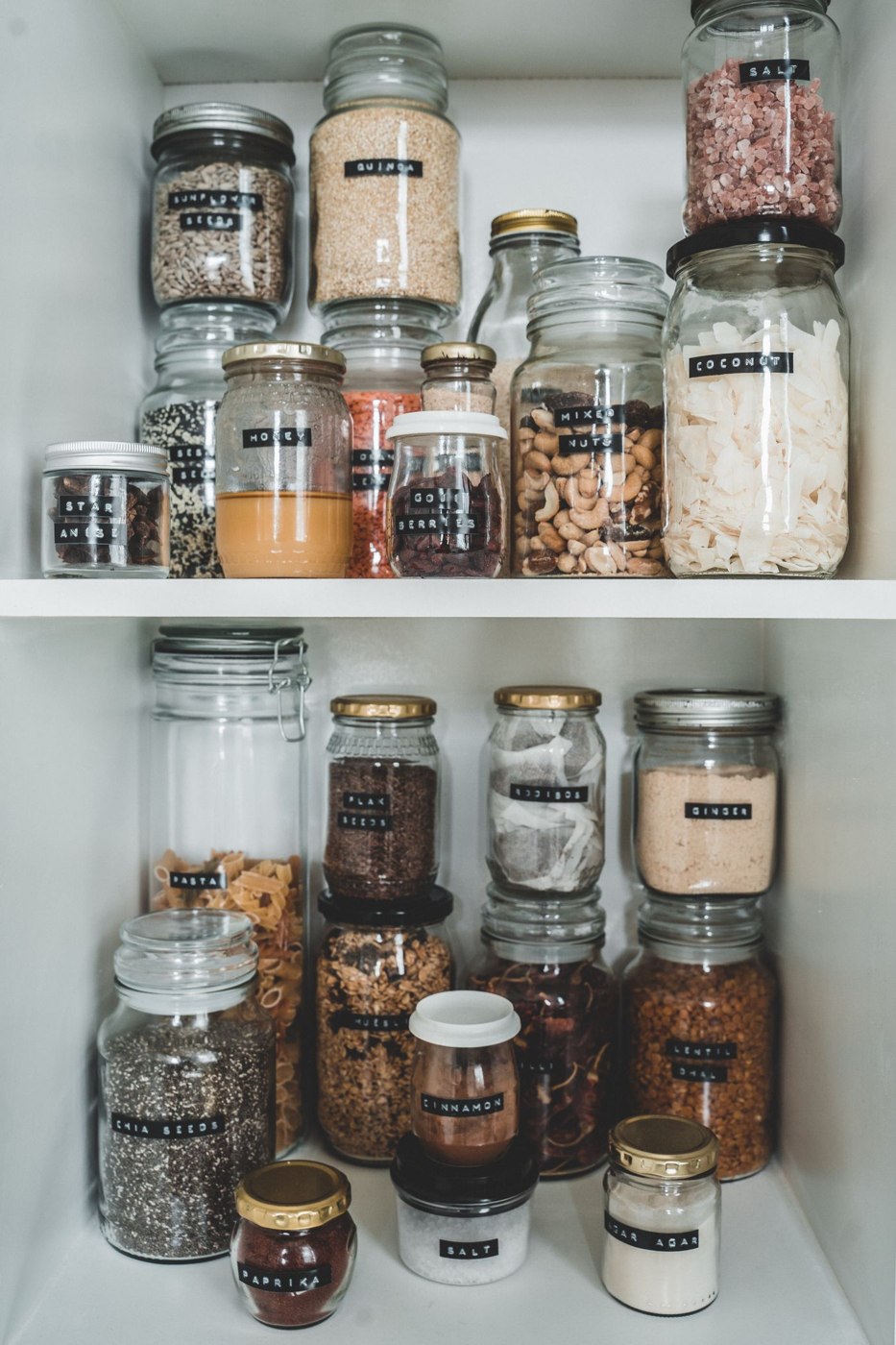
Keep the ingredients together enough that their presence is easy to check. They do not need a separate decorative container. A short note inside the cupboard can list the meals and their essential ingredients. When one component is used for another dish, add it to the shopping list at that moment.
Rotate the foods through normal meals and follow package storage instructions. Check dates and the condition of packaging when reviewing the shelf. A backup option should not become a forgotten collection at the rear of the cupboard merely because it has been labeled as something to save.
Allow the meal to evolve
Once a month, notice which combinations were useful. Keep those and replace the ones repeatedly avoided. Preferences, schedules and available cupboard space change. The best reserve is small enough to understand and familiar enough that making dinner from it requires little negotiation. Having a few dependable choices can be more helpful than storing ingredients for many possibilities you have never tried.