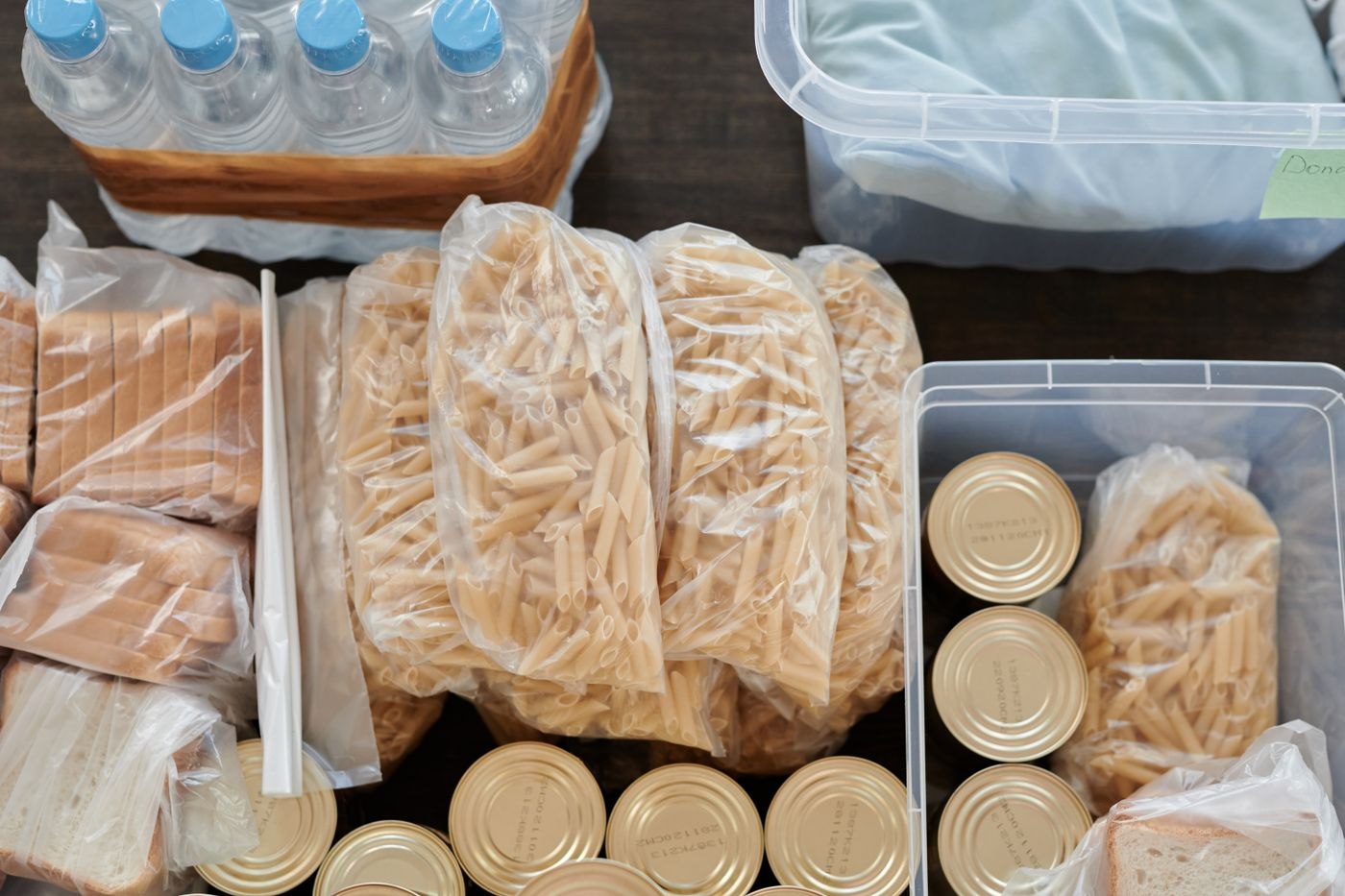
A meal plan made before checking the kitchen can create duplicates while food already at home is forgotten. Start with a brief look at the refrigerator, freezer, and pantry. The purpose is not to catalog every ingredient. It is to identify usable food, notice what needs attention, and build a realistic set of meals around it. Storage history and food safety still determine whether an item can be used; a plan should never rescue questionable food by wishful thinking.
Check the food and the week together
Look first at perishable items and prepared food. Read labels, consider how the food has been stored, and use appropriate food-safety guidance when uncertain. Do not taste food to decide whether it is safe. An unknown storage history is not resolved by choosing a recipe that cooks for longer.
Then review the calendar. Note evenings with late arrivals, early departures, or people eating elsewhere. Count the meals that actually need preparing at home rather than automatically planning seven elaborate dinners. Include lunches or breakfasts only to the level that helps the household; familiar repeated options may need a simple supply check rather than a detailed menu.
Build around a few ingredients
Choose an ingredient already available and consider meals you know how to make with it. A package of pasta may support a familiar pantry meal. Vegetables that are still suitable to use may fit a soup, a side dish, or a meal already in your repertoire. Check the full recipe before assuming the remaining ingredients are all on hand.
Look for useful overlap without requiring every meal to taste the same. If two meals use the same fresh ingredient, buy an amount that fits both. Avoid purchasing a large package solely because its unit price is lower when the household is unlikely to use it safely and enjoyably. Freezer space and suitable storage containers are part of that decision.
Assign effort where it fits
Put more involved cooking on a day with enough time for preparation and cleanup. Use familiar, simpler meals on crowded evenings. A plan can include leftovers handled safely, a meal assembled from prepared components, or an agreed purchase. It does not need to prove that every evening involves cooking from scratch.
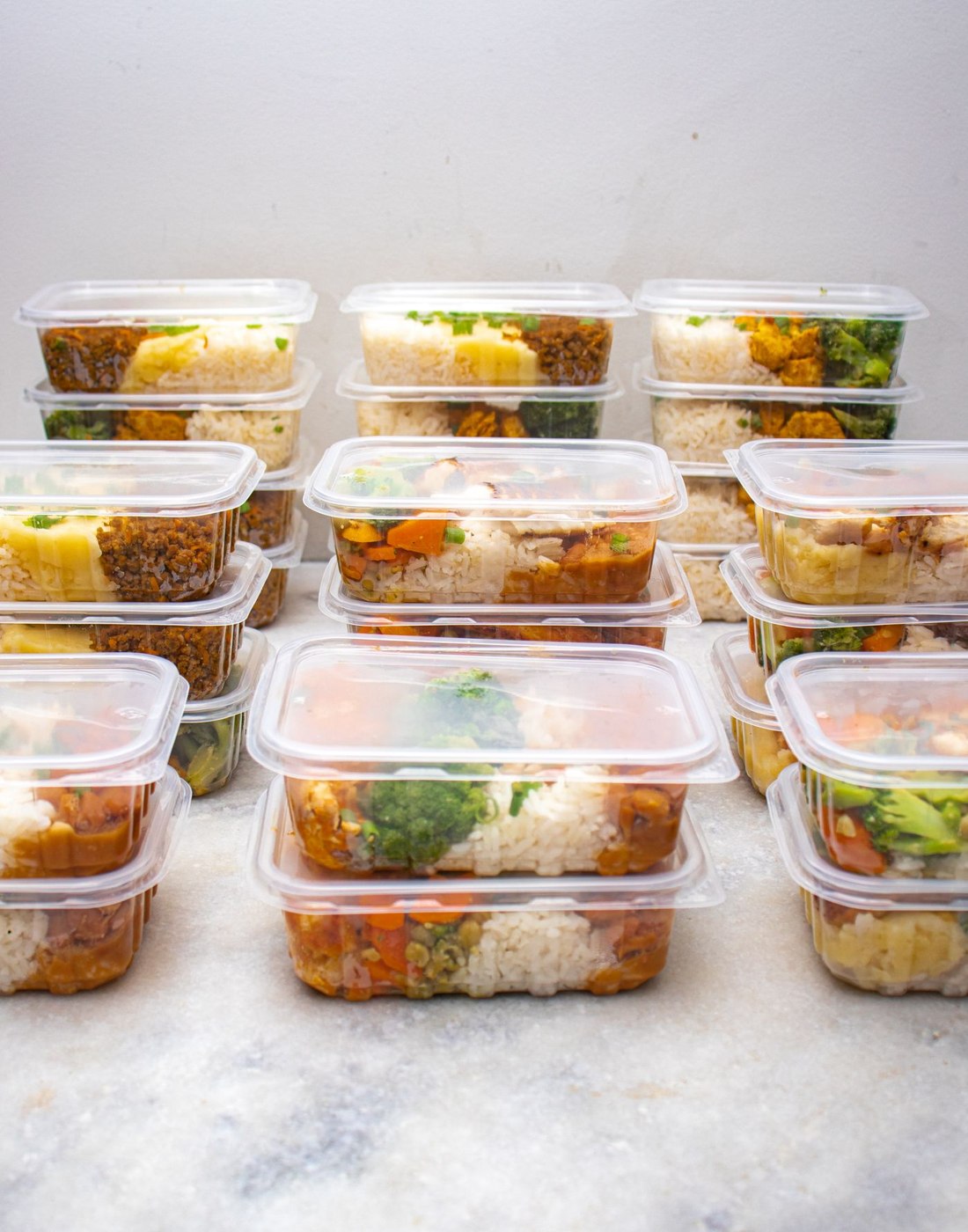
If one meal is expected to provide leftovers, identify their intended use and store them correctly. Do not leave an unspecified extra portion as the entire lunch plan for several people. Decide who it serves and when, then adjust the original quantity accordingly.
Keep one ingredient from deciding the whole week
Using food already at home is a starting point, not a requirement to build every meal around an awkward purchase. If an unfamiliar ingredient needs a recipe, check the additional cost and effort before buying several more items to use a small amount. A suitable recipe may be worthwhile; forcing it into a crowded week may simply create another unused purchase.
For a familiar ingredient, choose the easiest realistic use first. A vegetable intended for an elaborate dish might instead fit a meal you already know, provided it remains suitable to eat. Record the change on the plan so another person does not use the same ingredient for a different meal.
Write only the missing items
Check ingredient amounts before adding them to the shopping list. A nearly empty packet may not cover the recipe even though the ingredient appears to be present. Include acceptable alternatives where they will not compromise dietary needs or the recipe's function.
Leave one flexible slot or backup meal. Plans change, and a meal based on suitable pantry or freezer ingredients can help when a fresh-food recipe no longer fits the day. Choose a backup the household actually likes rather than something purchased only for an imagined emergency.
Review what was left unused
At the next planning session, notice the ingredient that remained and why. Perhaps the recipe required too much effort, the quantity was too large, or the household schedule changed. Use that information in the next plan. Repeatedly buying the same aspirational ingredient is less useful than planning around the meals people reliably make and eat.