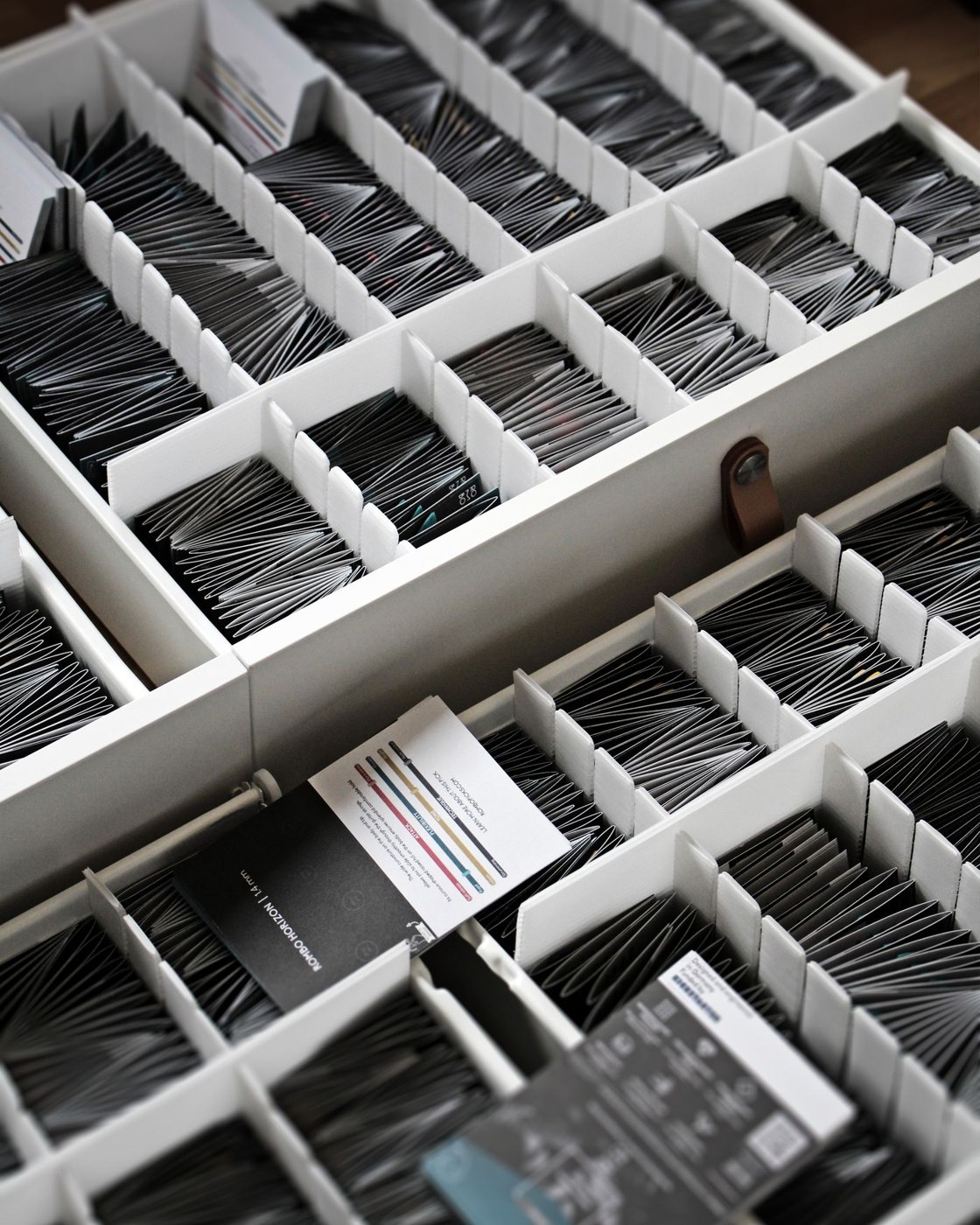
A drawer divider cannot decide what belongs in the drawer. Before measuring compartments, identify its main job and remove unrelated items. The useful arrangement should let you see, reach, and return the things used there without searching through a second layer.
Empty the drawer with a purpose
Place the contents on a clear surface and group them by actual use. A kitchen drawer might contain cooking tools, serving pieces, and spare packaging clips. Those categories may need different locations rather than separate compartments in the same drawer.
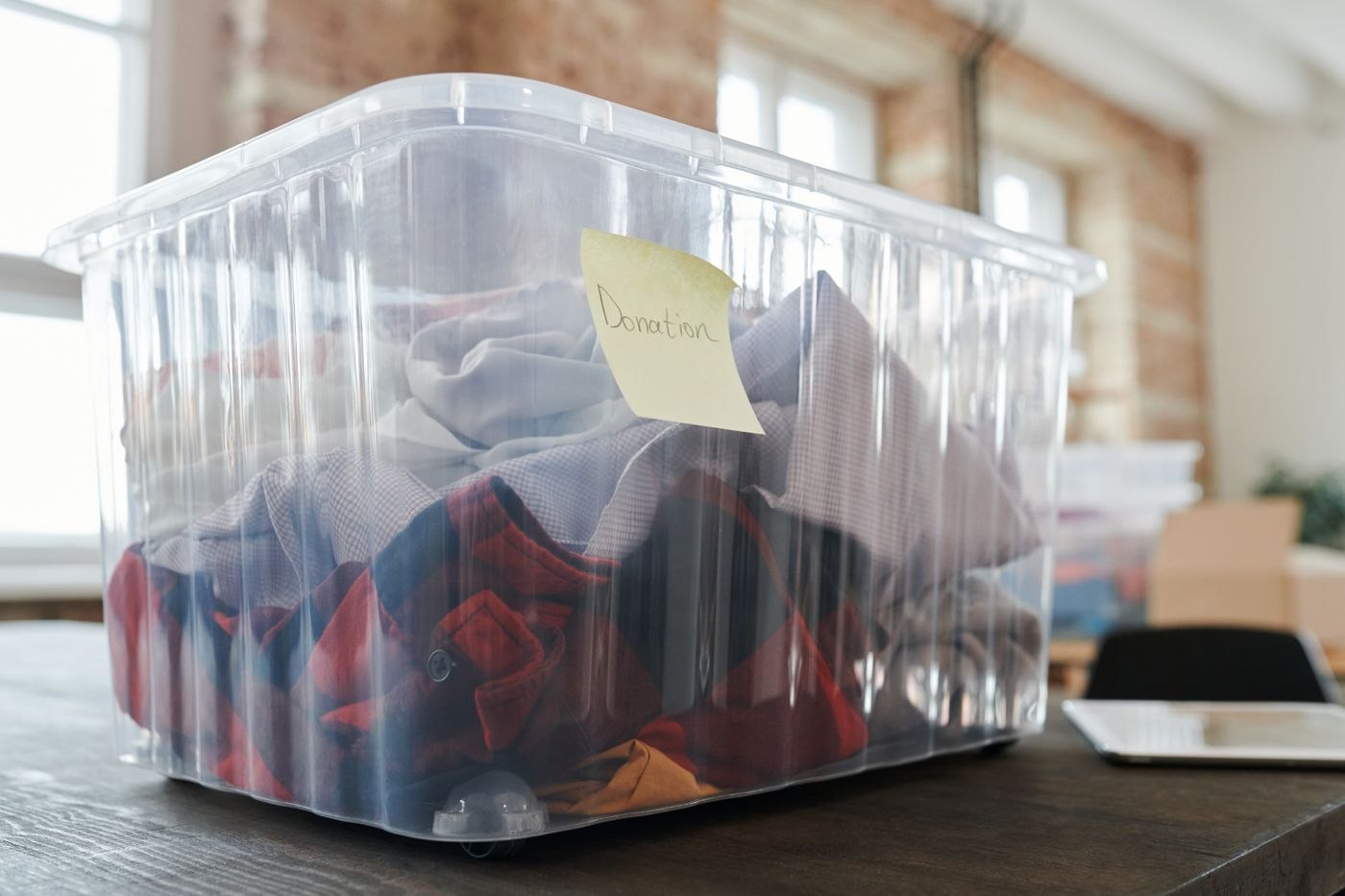
Check for broken objects, duplicates, and unidentified parts. Do not discard another person’s belongings without agreement. Set uncertain items aside with a question to resolve, instead of automatically returning them to the drawer.
Measure the interior and the movement
Record the usable width, depth, and height. Account for curved corners, runners, and anything that reduces clearance. A divider that fits the drawer base may still prevent a tall item from clearing the cabinet when the drawer closes.
Open and close the drawer with the proposed contents in place. Long utensils or cables may shift and catch. Arrange them so the everyday movement does not undo the organization. Avoid filling a compartment so tightly that removing one item pulls out several others.
Place frequent use within easy reach
Put the items used most often at the accessible front or nearest the usual hand position. Keep similar small pieces together, but do not create a separate tiny compartment for each object unless that genuinely helps.
A temporary arrangement with existing shallow boxes can help test sizes before buying a fitted insert. Use materials appropriate to the contents and setting. Keep sharp objects protected and hazardous items securely stored rather than relying on a divider as a safety measure.
Leave capacity for ordinary return
A drawer that works only when every item is placed at an exact angle may not suit shared use. Leave room for a quick, reasonable return. Labels can help when the categories are not obvious, but a simple layout may communicate enough on its own.
Check the drawer after a week. Items found on top of the divider may indicate an inconvenient compartment or a missing destination. Change the layout to match the actual use instead of treating every misplaced object as a failure to follow the system.