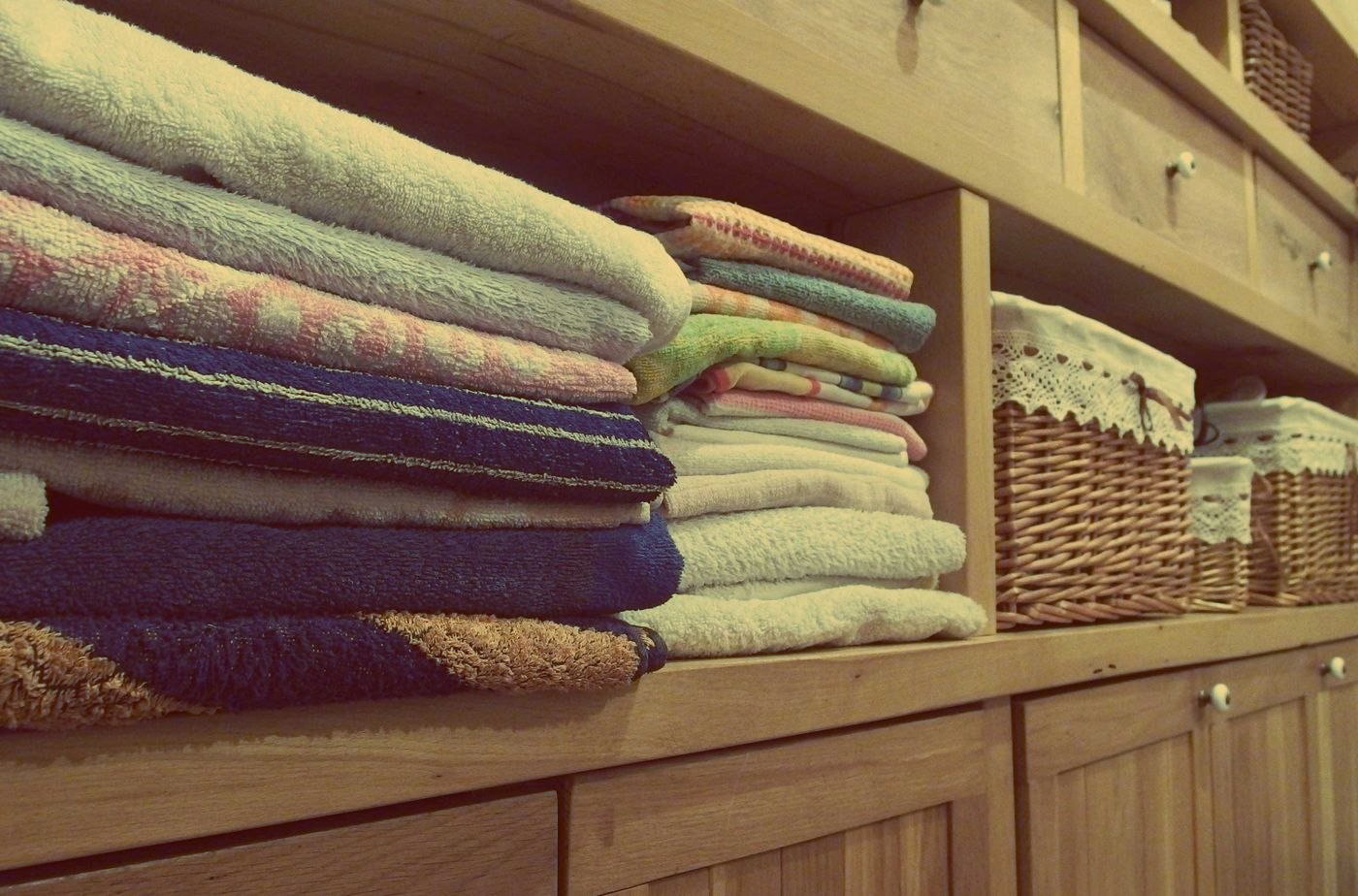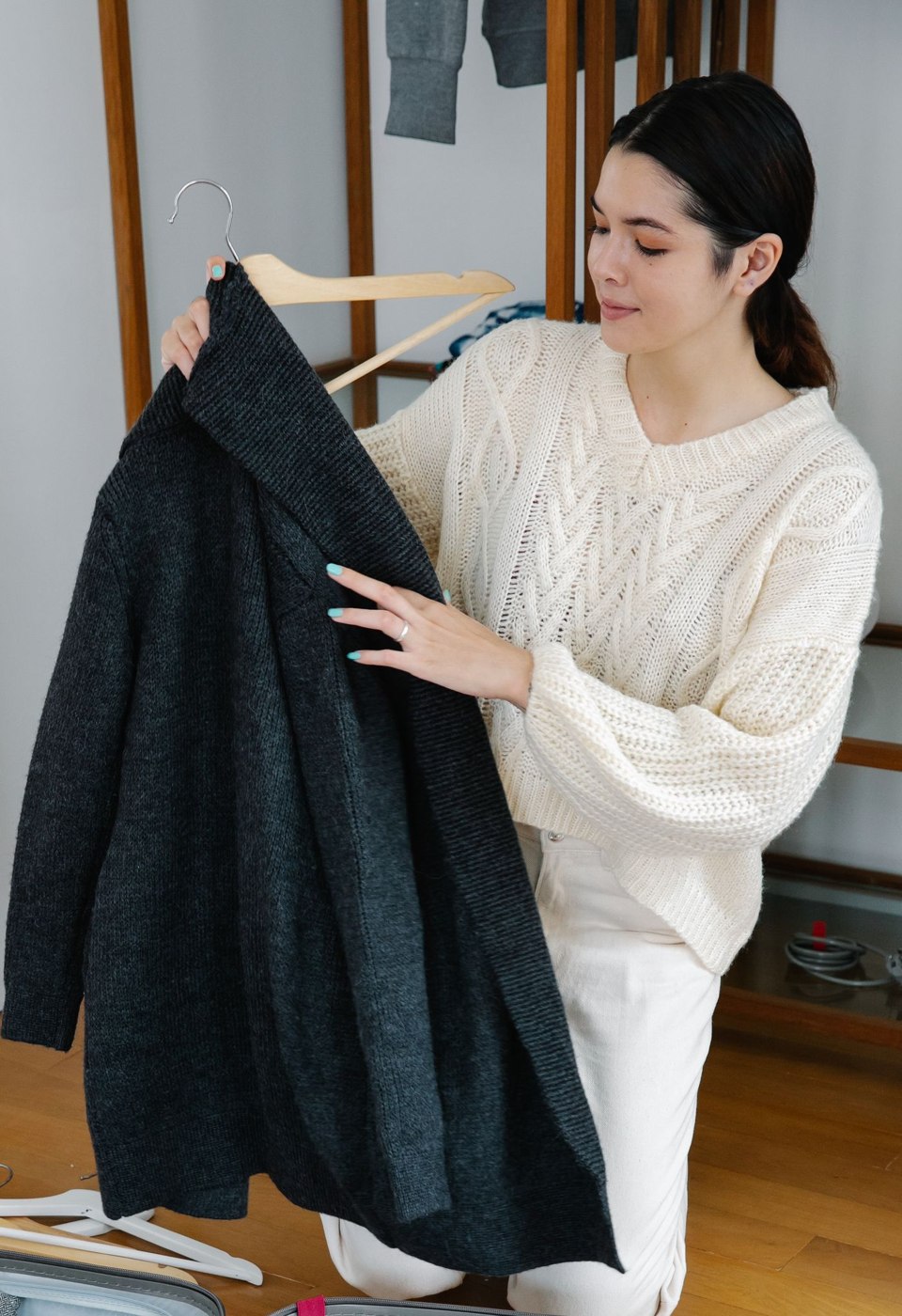
A coat closet serves the busiest moments of the day: arriving with wet clothing and leaving with little time. If it also holds luggage, cleaning equipment, and every out-of-season jacket, those ordinary movements become difficult. Start by deciding which functions the closet must support now.
Separate current use from reserve storage
Keep coats used for the current weather near the front and move genuinely seasonal pieces to a suitable alternative location if available. Leave room for the differences in people’s routines. Someone who walks in rain may need different outerwear from someone who drives to work.
Check whether the closet can accommodate damp items appropriately. Wet outerwear may need to dry elsewhere before being crowded into storage. Follow garment care instructions and keep any temporary drying area clear of walkways and heaters.
Assign space that people can recognize
A section of the rail, a hook, or a labeled basket can give each person a predictable destination. Use a division that reflects the household rather than forcing identical space when needs differ. Keep children’s everyday items reachable where it is safe to do so.
Choose hangers that support the garments and do not crowd the rail excessively. A coat should be removable without pulling several neighbors down. Hooks and rails need suitable installation and load capacity, especially when bags or heavy winter clothing share them.
Give small items their own route
Gloves, hats, and scarves can disappear into sleeves or onto the floor. A manageable basket or shelf for each person may help. Keep pairs together where possible and remove items that no longer fit or are no longer used.
If the closet holds shared umbrellas or reusable bags, give those a separate identifiable place. Do not let shared supplies silently occupy the space intended for someone’s coat.
Keep the floor and door working
Check whether shoes, bags, or stored boxes stop the door from opening fully. Leave enough room to see and lift what is on the floor. High storage should contain suitable items that can be accessed safely, not heavy objects balanced above the entrance.
Review the closet at a seasonal change or after a repeated bottleneck. If every departure requires moving luggage, the luggage may need a different home. The closet should make everyday arrival and departure easier, even if that means storing fewer things inside it.