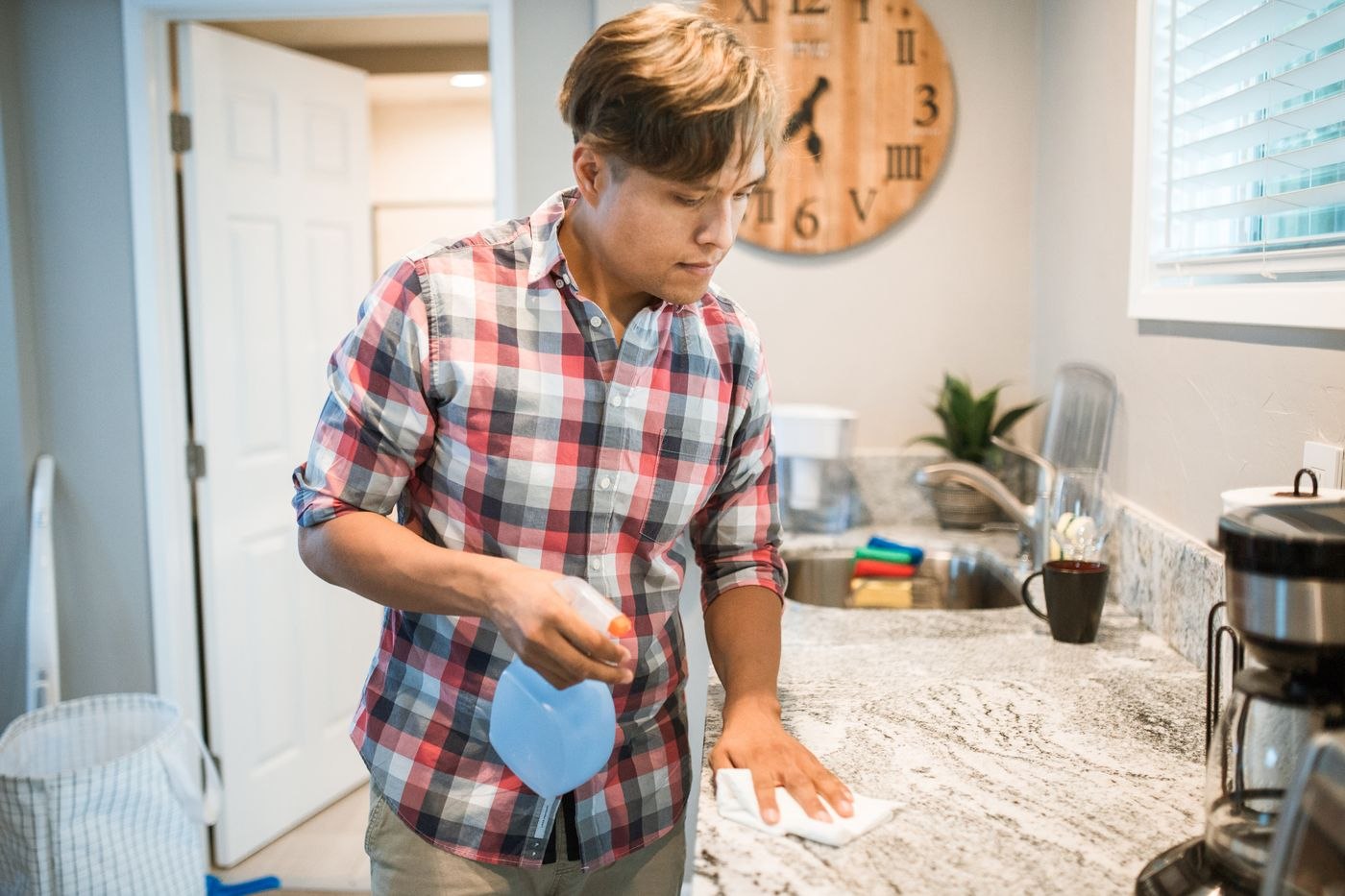
A kitchen used for several meals a day needs a different rhythm from a guest room that stays empty. A useful cleaning routine begins with those differences. Walk through the home and notice what becomes dirty, what gets in the way, and what can wait. This produces a more workable plan than assigning every room the same attention on the same day.
Start with use and consequences
Write down the small jobs whose delay creates another problem. Food spills, wet bathroom floors, and an overflowing trash bin deserve attention before a dusty ornament. This is not a competition between rooms. It is a way to decide what matters when the available time is short.
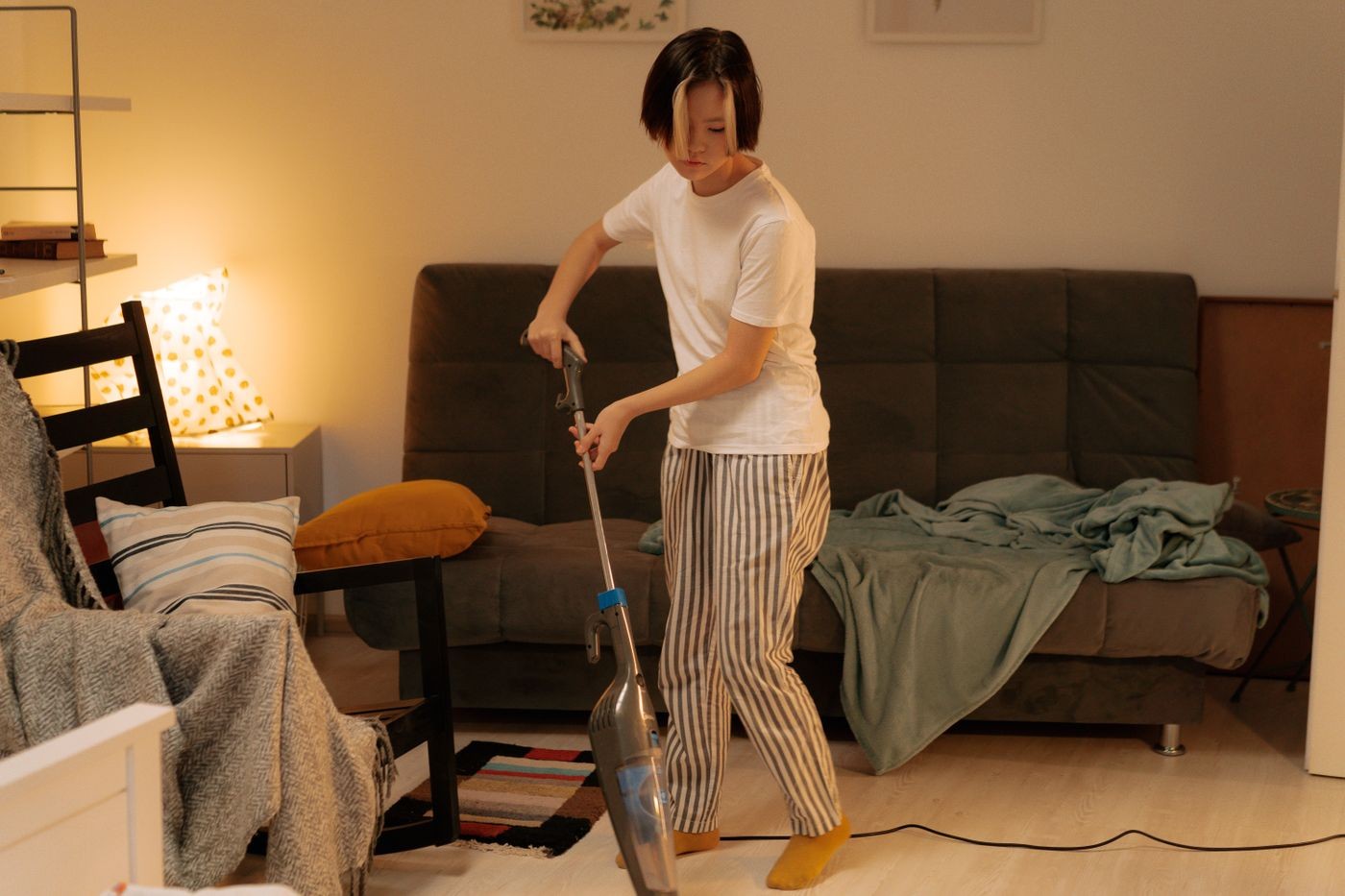
Then identify work that can be grouped: vacuuming several rooms, changing towels, or wiping accessible shelves. Grouping makes sense when supplies and effort overlap. It makes less sense if gathering every room into one session creates a job so large that it rarely starts.
Describe an observable finish
“Clean the bathroom” can mean anything from clearing the basin to scrubbing every surface. Break that instruction into a finish someone else could recognize. For a short session, it might mean the sink is cleaned, towels are replaced, and the floor is dry. A separate longer session can cover the shower and less accessible areas.
Use the same approach when sharing work. Agree whether cleaning the kitchen includes the stovetop, dishes, and putting supplies away. People can complete different interpretations of a vague task and still leave each other frustrated. Clear boundaries make both the work and the handoff easier to understand.
Choose supplies before starting
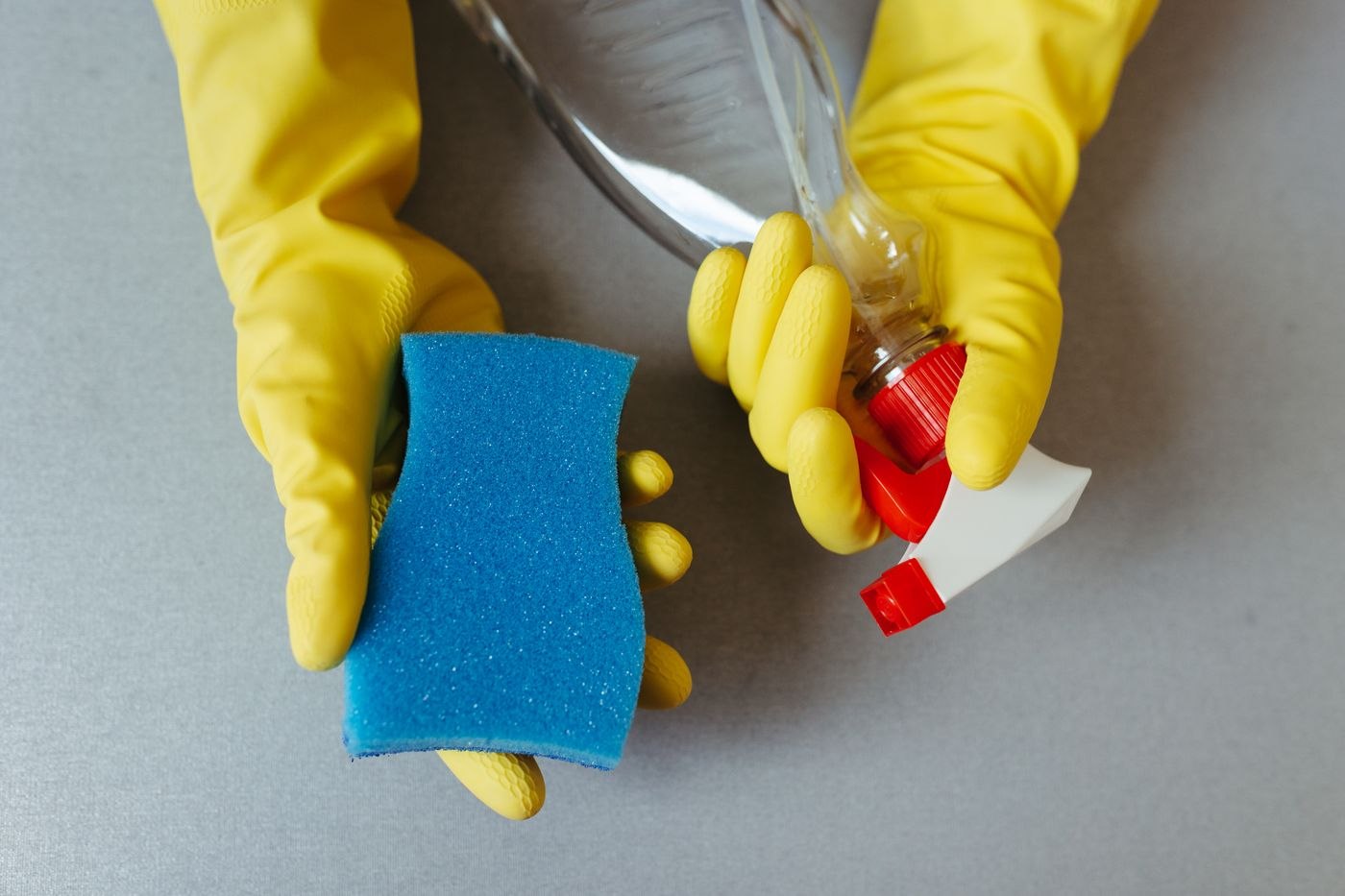
Read the cleaning product label and check that it is suitable for the surface. Follow its directions for ventilation, protective equipment, and use. Never mix cleaning products or disinfectants. CDC guidance specifically warns against combining bleach or other disinfectants with other cleaners. More products do not make a task safer or more effective.
Keep a small set of suitable supplies together in secure storage, out of the reach of children and pets. A carry container can help during a session, but it should return to that storage afterward. Do not leave chemicals unattended on the floor while moving between rooms. Use separate cloths where needed to avoid carrying grime from one task to another.
Build a schedule with breathing room
For a household with a busy weekday schedule, a short kitchen close and a midweek bathroom check might sit alongside a longer floor-cleaning session on the weekend. This is an example, not a required frequency. Actual needs depend on use, pets, visitors, and whether anyone is ill.
Leave an unassigned space for jobs you discover along the way. If every available minute already has a fixed task, a spill or an unexpected load of laundry breaks the entire plan. When a week is unusually demanding, keep the essential jobs and deliberately postpone lower-priority ones rather than carrying an invisible backlog.
Notice what repeatedly gets missed
A neglected task may be badly timed, unclear, or difficult to reach. Move supplies closer to their point of use when secure storage allows, divide a long job, or assign responsibility more explicitly. If an open shelf takes a long time to dust, reducing what sits on it may solve more than adding another reminder.
Review the routine when household use changes. A new pet, a different work schedule, or a room becoming an office can change where mess accumulates. The plan should reflect those conditions rather than preserving a checklist that no longer fits.