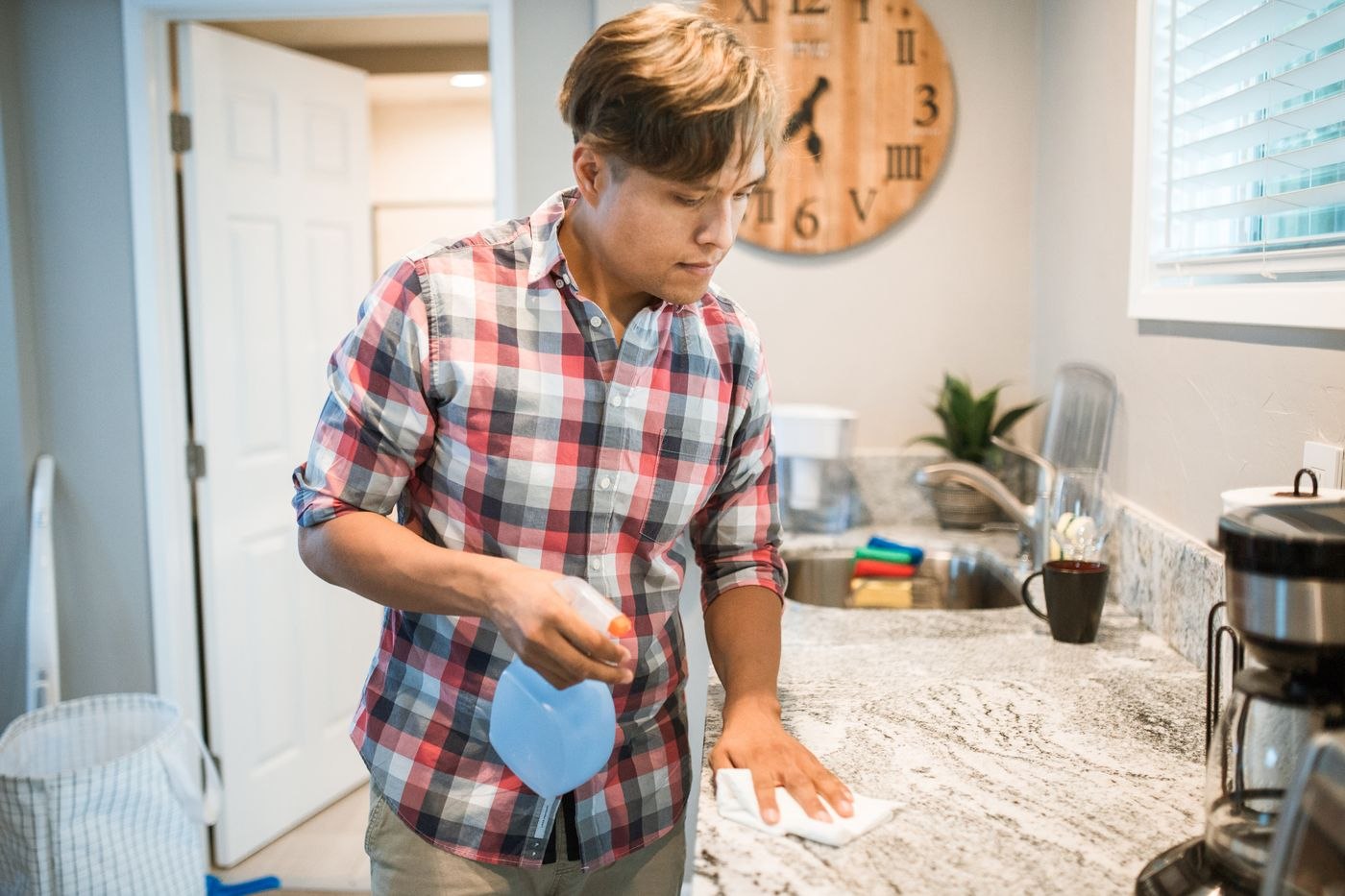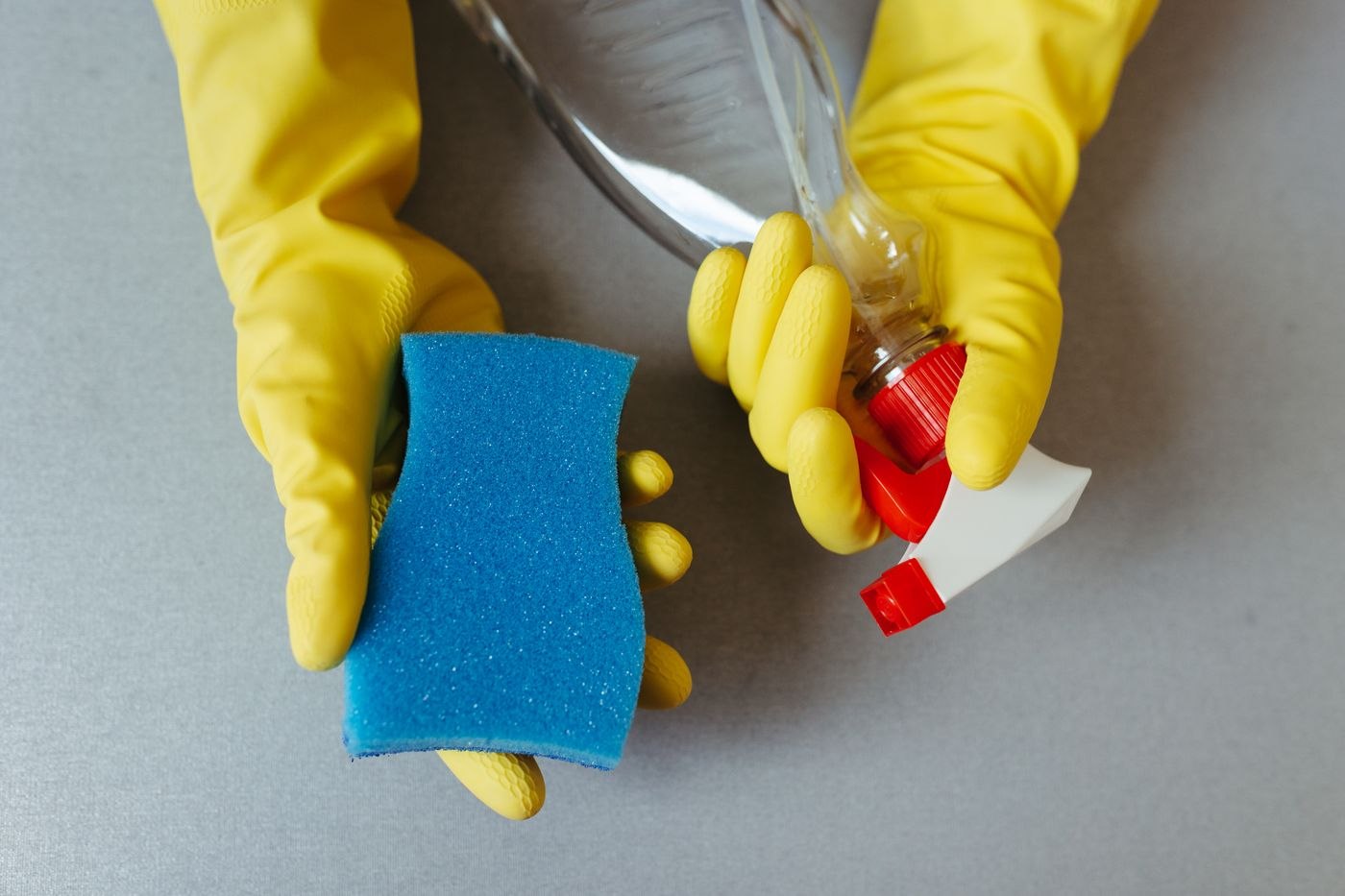
Cleaning supplies need a storage place that remains safe between tasks. Convenience matters, but an open caddy on the floor is not suitable simply because it is easy to carry. Begin with who can reach the products, how the labels say to store them, and whether the chosen cupboard can meet those conditions.
Read storage instructions before grouping products
Keep products in their original labeled containers. The label provides use, storage, and emergency information that is lost when a product is transferred into an unmarked decorative bottle. Never use a food or drink container for a cleaning chemical.
Check for restrictions involving heat, ventilation, or incompatible materials. Do not assume all household cleaners can be stored together in any available space. If the label is damaged or the contents are unknown, seek appropriate disposal guidance rather than guessing how to use the product.
Protect access without making use awkward
Choose secure storage out of the reach of children and pets, using appropriate locks where needed. A high shelf alone may not be enough if someone can climb to it. Keep the access method manageable for the adults who use the supplies so products are returned after each task.
A portable caddy can hold a small set while cleaning, but it should not be left unattended where others can reach it. Return it to secure storage when the session ends, including during interruptions that take you away from the area.
Keep the collection understandable
Remove empty packaging and identify duplicate products. Check which surfaces each product is intended for. A small set of suitable, understood products is easier to use correctly than a crowded cupboard of bottles with overlapping claims.
Keep cloths, brushes, and gloves in a way that allows them to dry and remain separate from leaking containers. A washable tray may help contain minor drips, but it is not a solution for a damaged or leaking package. Follow local guidance for handling and disposing of such products.
Make safe use part of the setup
CDC warns never to mix bleach or other disinfectants with other cleaners or disinfectants. Storage should preserve clear identification so products are not mistaken for each other. Read the label each time a different product or task is involved.
Keep required protective items available and follow instructions for ventilation and contact time where relevant. Do not create a stronger mixture or combine products because a task seems difficult. Stop and reassess the method or surface instead.
Plan how products leave the home
Unwanted chemicals may need a local household hazardous-waste route. EPA advises checking appropriate disposal options; do not pour unwanted products together or assume they belong down a drain. Local programs differ, so confirm accepted items and packaging requirements.
Review the storage after a change in household needs or a new product purchase. The useful test is whether an adult can identify, retrieve, use, and return each item while keeping everyone else protected from unnecessary access. A tidy appearance is secondary to those functions.