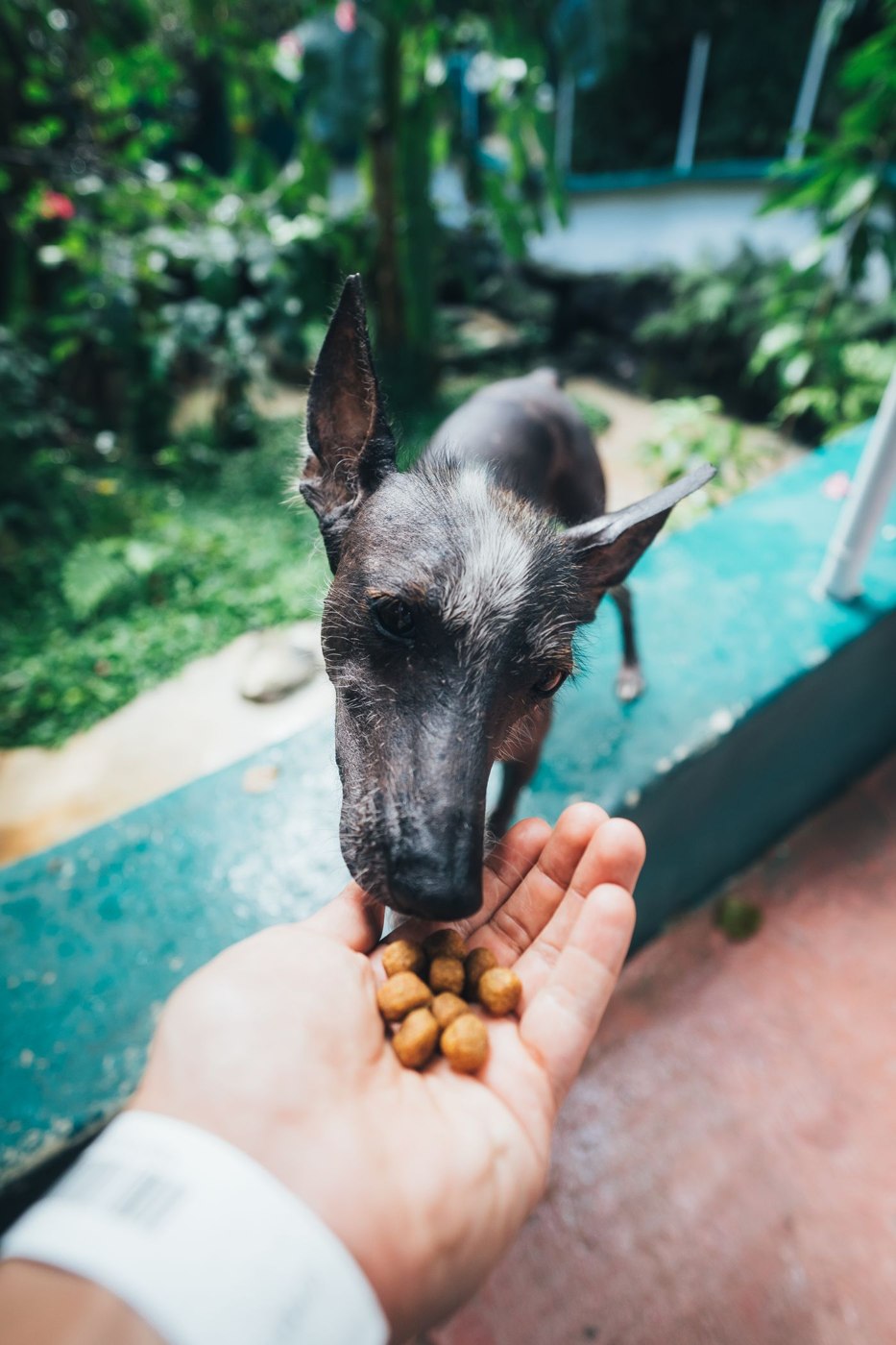
A shared pet-care plan should answer a few questions without requiring a household discussion every time: who is doing the task, what has already happened and who takes over if plans change? Start with the animal's actual needs and the guidance of its veterinarian. The household system organizes that care; it does not replace professional advice about feeding, exercise or treatment.
List the recurring responsibilities
Include the work that is easy to overlook: obtaining appropriate supplies, cleaning equipment, arranging appointments and keeping relevant records. Feeding and walks may be visible, while noticing that food is nearly gone often happens quietly. Assigning the whole responsibility makes it less likely that one person remains the unofficial coordinator of everything.
Write instructions where they matter. A feeding note should identify the correct food and the veterinarian- or product-guided amount for that animal, rather than a vague description such as “one scoop.” Avoid guessing about portions, treats or medication. Keep medication instructions separate and precise, and ask the veterinarian about uncertainties.
Mark completed tasks simply
Use a small board, shared note or other clear signal for tasks where duplication matters. A record of the latest feeding can prevent a second meal being offered by someone who did not see the first. Make the signal easy to update immediately rather than depending on memory at the end of the day.
Choose one place for the current plan. Multiple messages and old notes can disagree, especially after a change in care. Remove outdated instructions when the agreed plan changes so a helpful person does not follow the wrong version.
Name the backup before it is needed
When a usual caretaker will be unavailable, arrange the handoff explicitly. Confirm that the other person is willing and able to do the task. Provide access to the necessary supplies and instructions, including relevant veterinary contact information. Being in the house does not automatically mean someone has accepted responsibility.
Children may participate in suitable tasks with appropriate adult supervision, but adults remain responsible for the animal's welfare and for ensuring that care occurs. Match involvement to the child, the animal and the task; do not rely on enthusiasm alone as proof that an unsupervised responsibility is suitable.
Keep observations separate from assumptions
If someone notices a change in the animal's behavior, eating or other condition, communicate the observation clearly and seek appropriate veterinary advice when needed. Avoid diagnosing the cause through the household checklist. A useful note says what happened and when, making it easier for the responsible adult to decide the next step with professional guidance.
Review the division of work as schedules change. A dependable plan includes both the ordinary day and the moment when the ordinary day stops being possible.
Make the handoff testable before leaving
For an overnight absence, walk through the arrangement with the person providing care. Ask them to locate the correct supplies and explain the agreed sequence in their own words. This is a way to uncover an unclear label or missing item before it matters, not a test of their affection for the animal. Make sure they know how to reach you and the relevant veterinary service.
Include access and cleanup in the handoff. A caretaker may understand feeding perfectly but not know where waste supplies are stored or how a gate normally closes. If the animal needs a professional service or an experienced carer, arrange that rather than assuming a household checklist can make an unfamiliar person capable of every task. The written plan should make the real level of responsibility clear.