Toy cleanup can feel vague to a child when “put everything away” means sorting many small objects into hidden or overly precise categories. A workable arrangement uses a few clear destinations and matches the child’s age and abilities. Adults remain responsible for safety and for the overall amount the space can hold.
Choose categories children can recognize
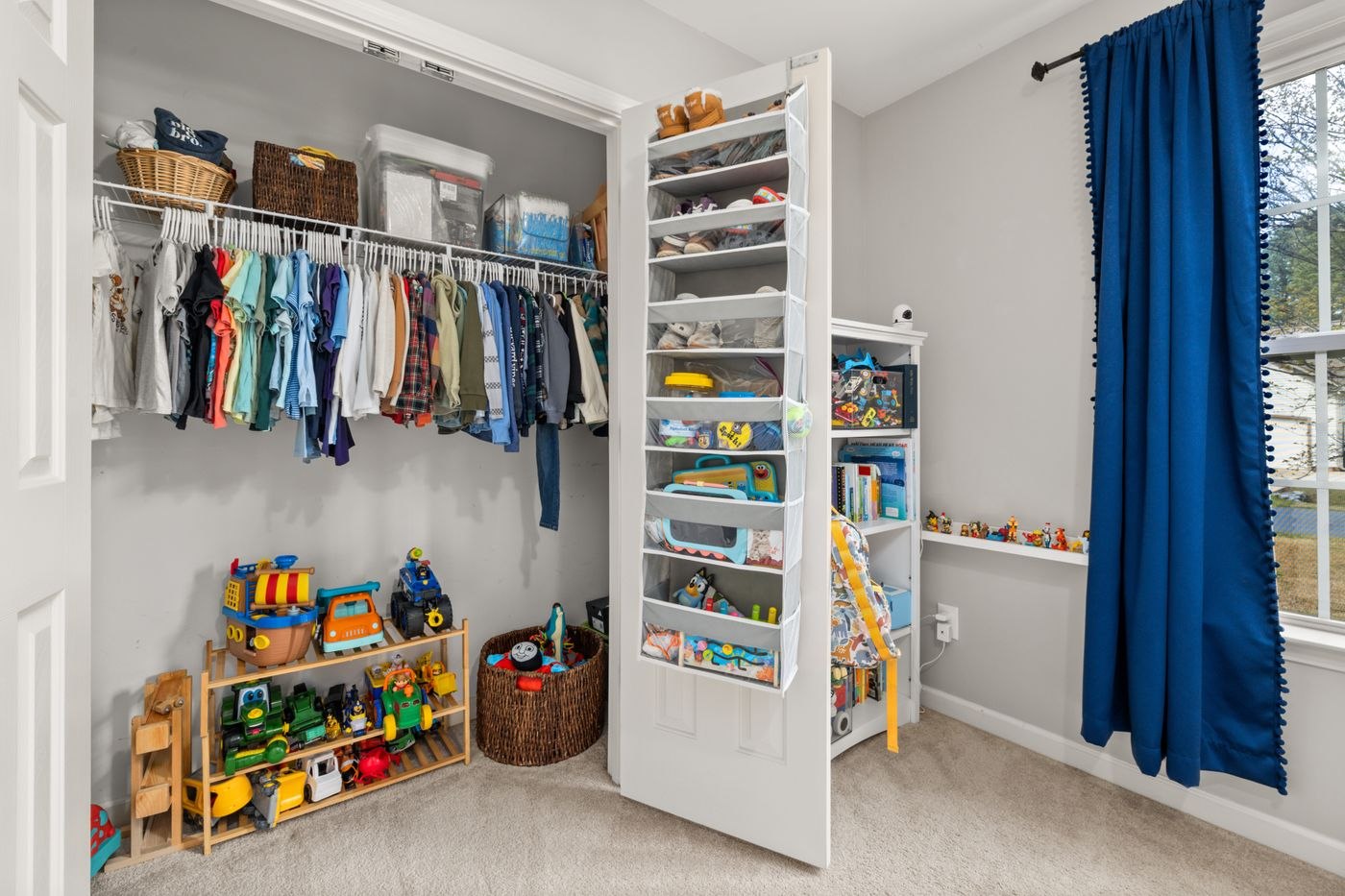
Group toys by how they are used: building pieces, vehicles, pretend-play items, or art materials. Avoid a system that requires a child to identify several nearly identical subcategories before putting something away. A picture label can help where reading is not yet established.
Keep pieces that must remain together in suitable containers. Check the age guidance and hazards of the toys themselves. Small parts, batteries, magnets, and materials intended for older children need appropriate secure storage away from younger children.
Make storage reachable without climbing
Place ordinary toys where the child can safely retrieve and return them. Secure furniture according to manufacturer instructions and CPSC guidance. Do not place appealing toys high on furniture in a way that encourages climbing.
Use containers that are manageable for the child and suitable for the contents. A large bin may become too heavy when filled. Check lids and storage furniture for relevant safety features and instructions rather than selecting only by appearance.
Define the end of an activity
A clear finish might mean building pieces are in their bin and the floor route is open. It does not need to mean every toy is arranged in a display. Show the sequence and participate as needed instead of expecting a new system to explain itself.
Allow a deliberate place for an unfinished creation when space permits. A small tray or agreed surface can preserve a project while other items return to storage. Without that distinction, “not finished” can spread to every object on the floor.
Reduce the amount involved in one cleanup
If the room becomes unmanageable quickly, consider whether too many toys are available at once. A smaller accessible selection may be easier to use and restore. Rotation is optional; it should not become an elaborate inventory project for the adults.
Keep cleanup tools simple. A low basket for scattered pieces may help gather them before sorting, but it should not become a permanent mixed pile. Return items to their categories at a manageable point.
Review together as interests change
Notice toys that are repeatedly ignored, incomplete, or no longer age-appropriate. Involve children in suitable decisions without making them responsible for adult-level storage or safety judgments.
Praise or acknowledge the specific action rather than demanding a perfect room. A system that children understand and adults can maintain is more useful than a photograph-ready arrangement that falls apart during normal play.