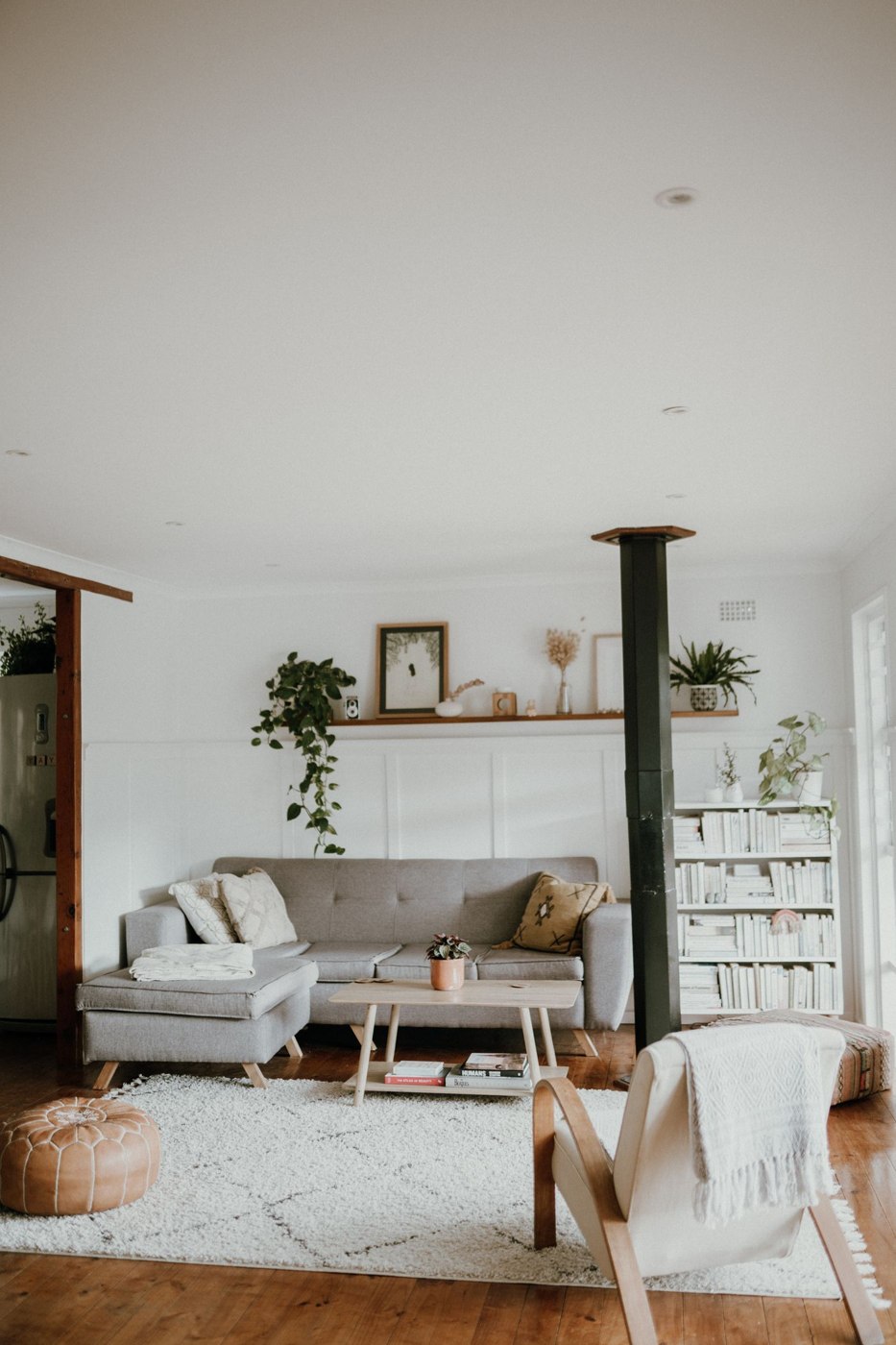
One room can host several activities in an evening. Someone reads on the sofa, another person puts away a puzzle, and someone crosses the room carrying laundry. Lighting becomes easier to arrange when these jobs are considered separately, even if the room has only a few existing fixtures.
Look at the room after dark
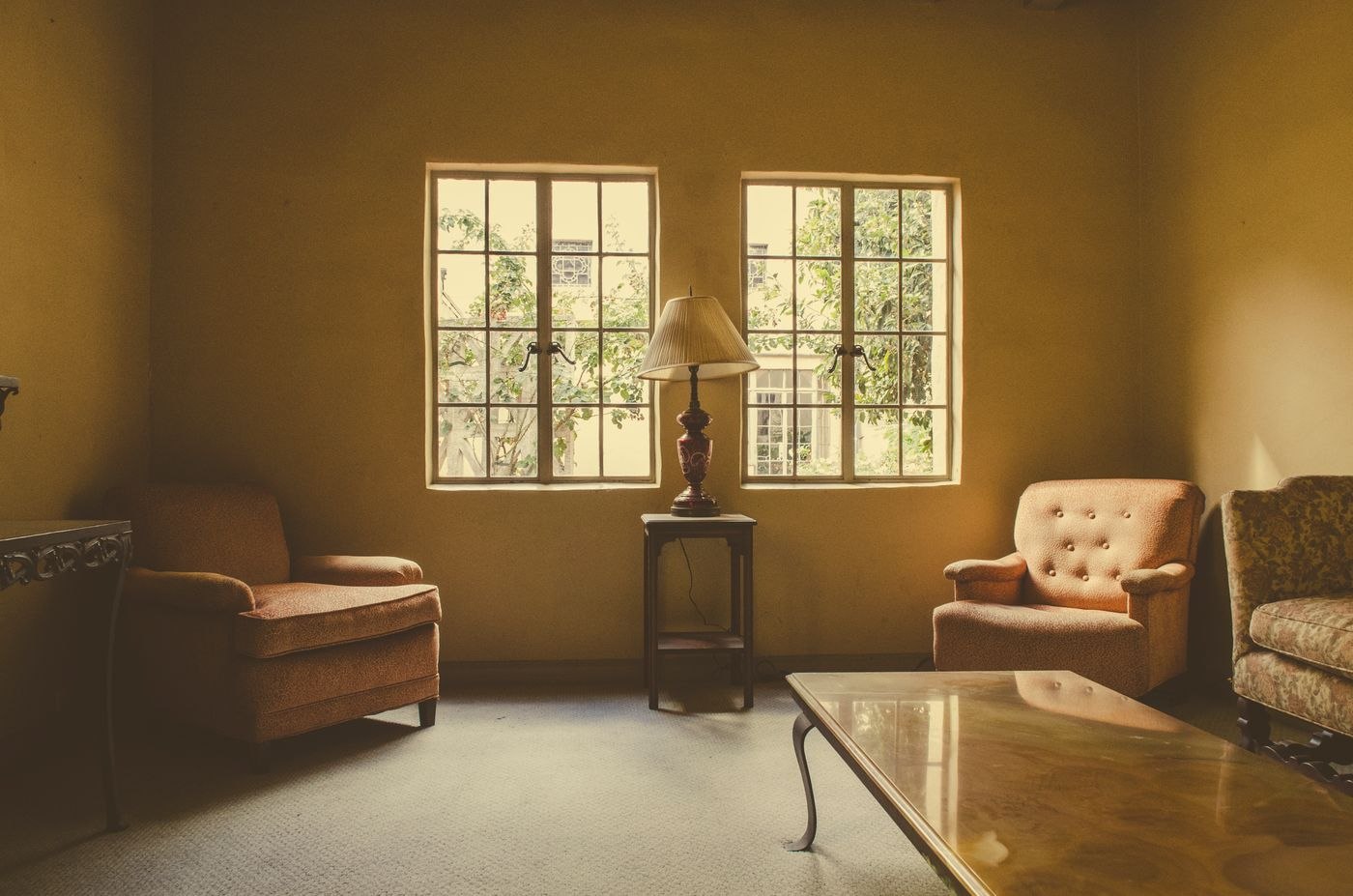
Daylight can disguise an awkward lighting arrangement. After sunset, try the activities the room normally holds and note where shadows fall. A ceiling light may illuminate the floor while leaving the page in your lap difficult to see. A lamp behind the television can create a reflection instead of helping anyone read.
Make a short list of places that need light: the seating area, a work surface, and the main route through the room. This is more useful than deciding every corner must have a matching lamp. A light that serves two nearby purposes may remove the need for another fitting.
Put task lighting beside the task
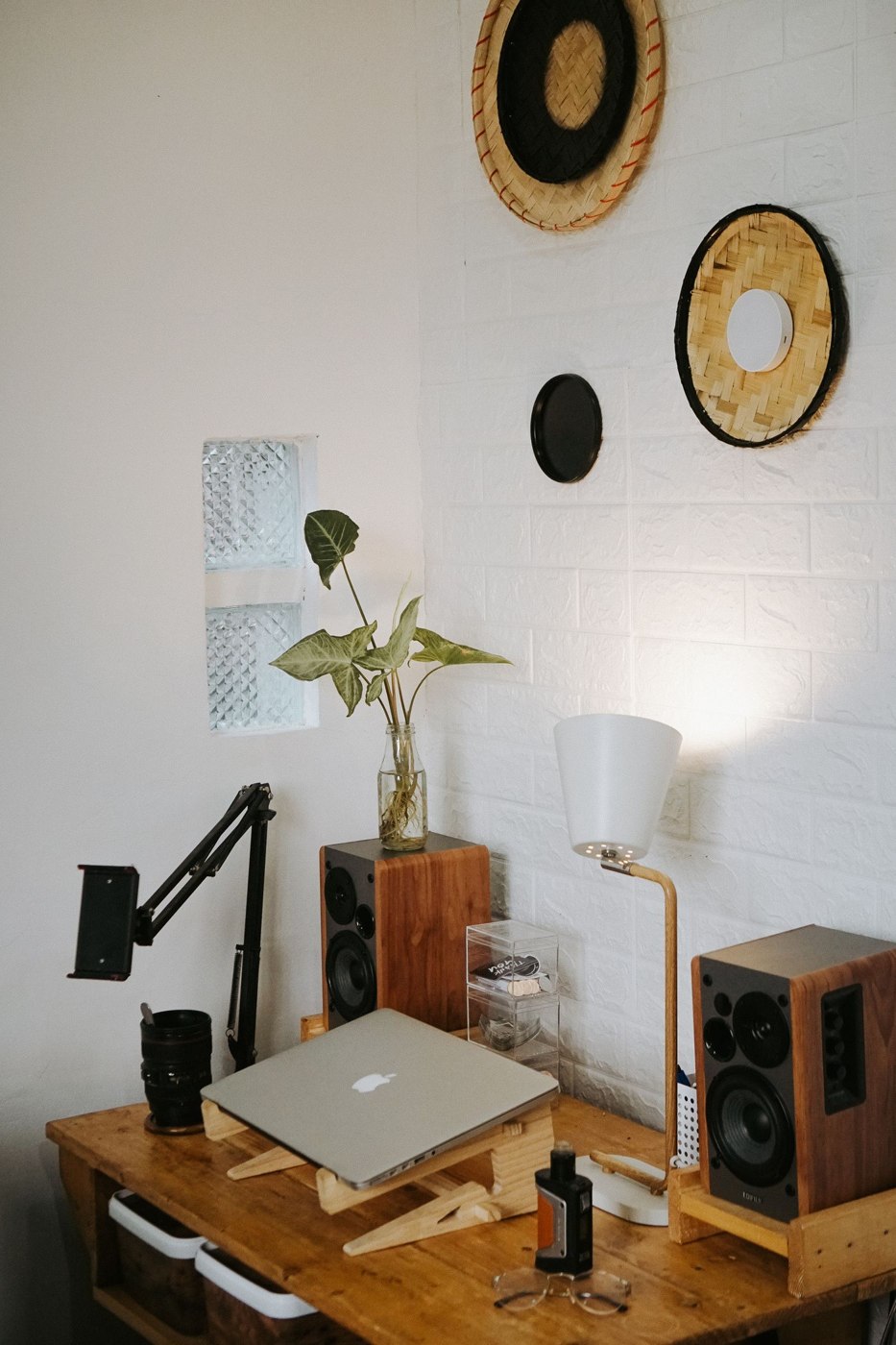
For reading or handwork, experiment with an adjustable lamp before changing the room. Position it so your body does not block the useful light. Test it from the seats used by both right- and left-handed household members. A shade that directs light onto the task can also reduce glare for someone sitting opposite.
Check the fixture instructions before replacing a bulb. Stay within its specified ratings, and use compatible bulbs and controls if the lamp dims. The US Fire Administration advises against overloading outlets and using damaged cords. An attractive arrangement is not a reason to improvise an unsafe electrical setup.
Make switches understandable
Group the room around a few recognizable choices: enough general light to enter safely, a reading lamp, and a softer arrangement for conversation. Household members should not need an explanation each time they turn on a light. Keep physical switches reachable even if optional smart controls are also used.
Avoid requiring someone to cross a dark room to reach the only lamp. Where a new outlet or fixed light is needed, use a qualified professional rather than routing an extension cord across a walkway. Move portable lamps within the limits of the available safe power supply.
Check the view from every seat
Walk through the room once more, then sit in the least-used chair. Look for visible bulbs, reflections in screens, and shadows on steps or changes of level. Small changes in shade angle or lamp position often make more difference than making every bulb brighter. Keep the arrangement easy to adjust as the room’s activities change.