Open shelves show both their contents and the work needed to maintain them. They can make frequently used dishes or books easy to find, but they can also turn a storage problem into visual clutter. Decide what needs visibility before deciding how the shelf should be styled.
Give the shelf a working purpose
Choose a category that belongs near the shelf: current reading, daily dishes, or a small set of hobby materials. A mixture can work if the shelf has a clear role, but unrelated overflow tends to grow because nothing defines what should leave.
Keep heavier objects where they can be lifted safely and within the shelf’s rated capacity. Check the installation and follow anchoring requirements for the unit. Avoid placing tempting objects where children may climb to reach them.
Consider how often items move
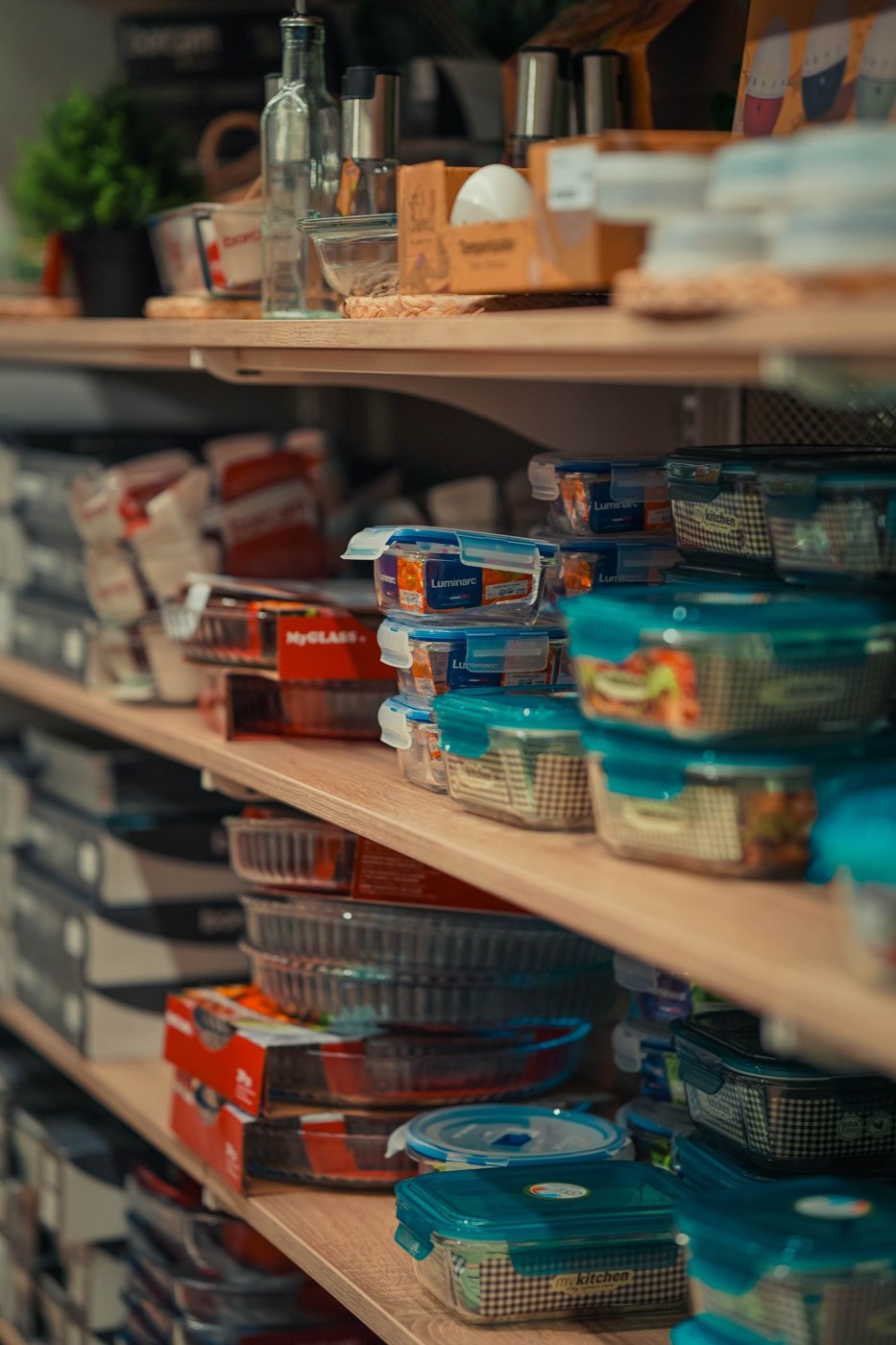
Objects used daily are handled and returned often. Their placement should allow a simple movement without unstacking several other items. A tall tower of bowls may look compact while making the bottom bowl inconvenient to use.
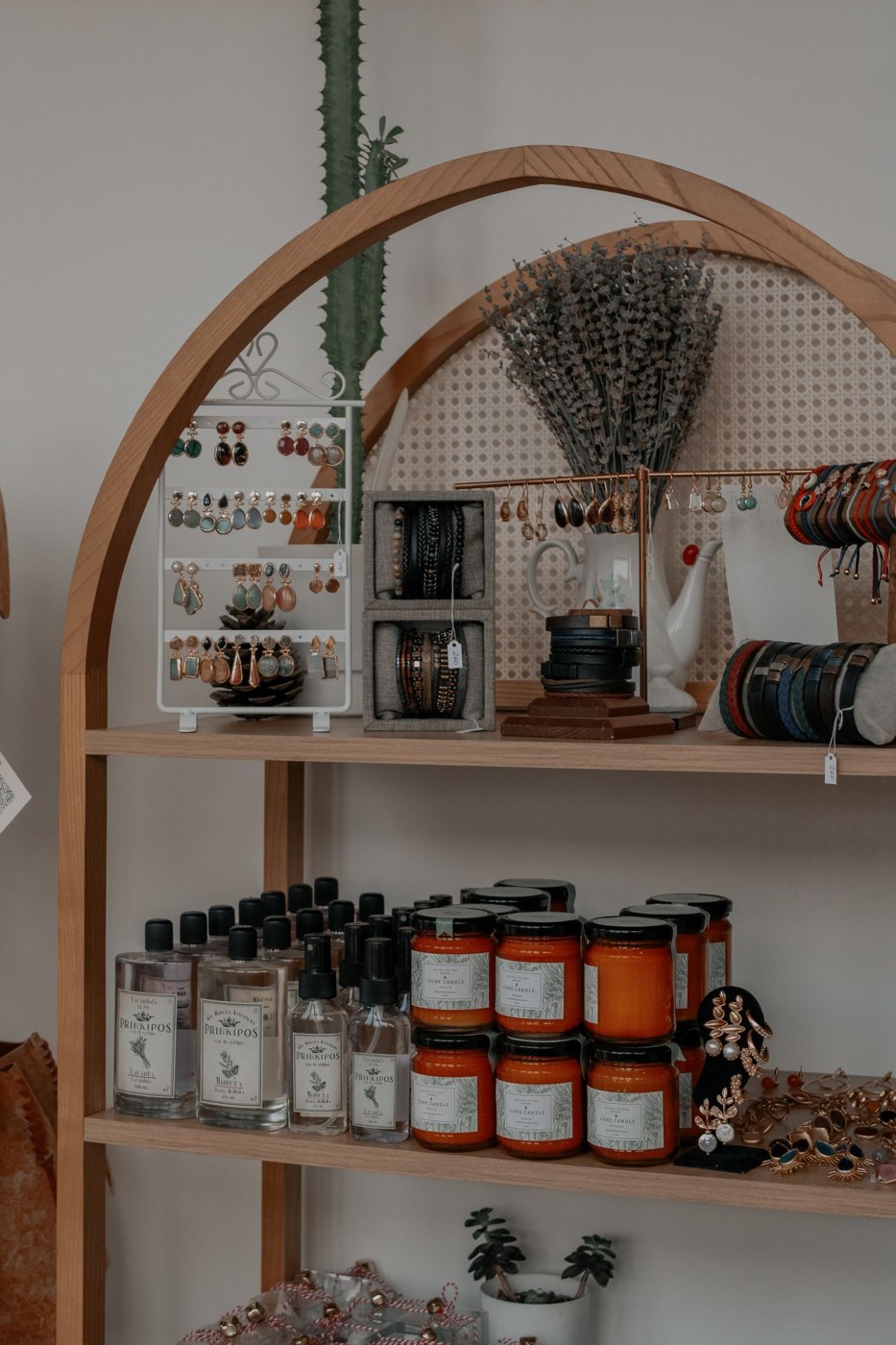
Rarely used objects need a different judgment. If they collect dust and are difficult to clean around, enclosed storage may serve them better. A meaningful display item can still deserve open space, but it should be a deliberate choice rather than an accidental leftover.
Leave usable gaps
Empty space allows hands to reach objects and makes returning them easier. It is not necessary to fill the shelf from edge to edge. Leave room above containers to lift them and enough clearance to see labels or distinguish similar items.
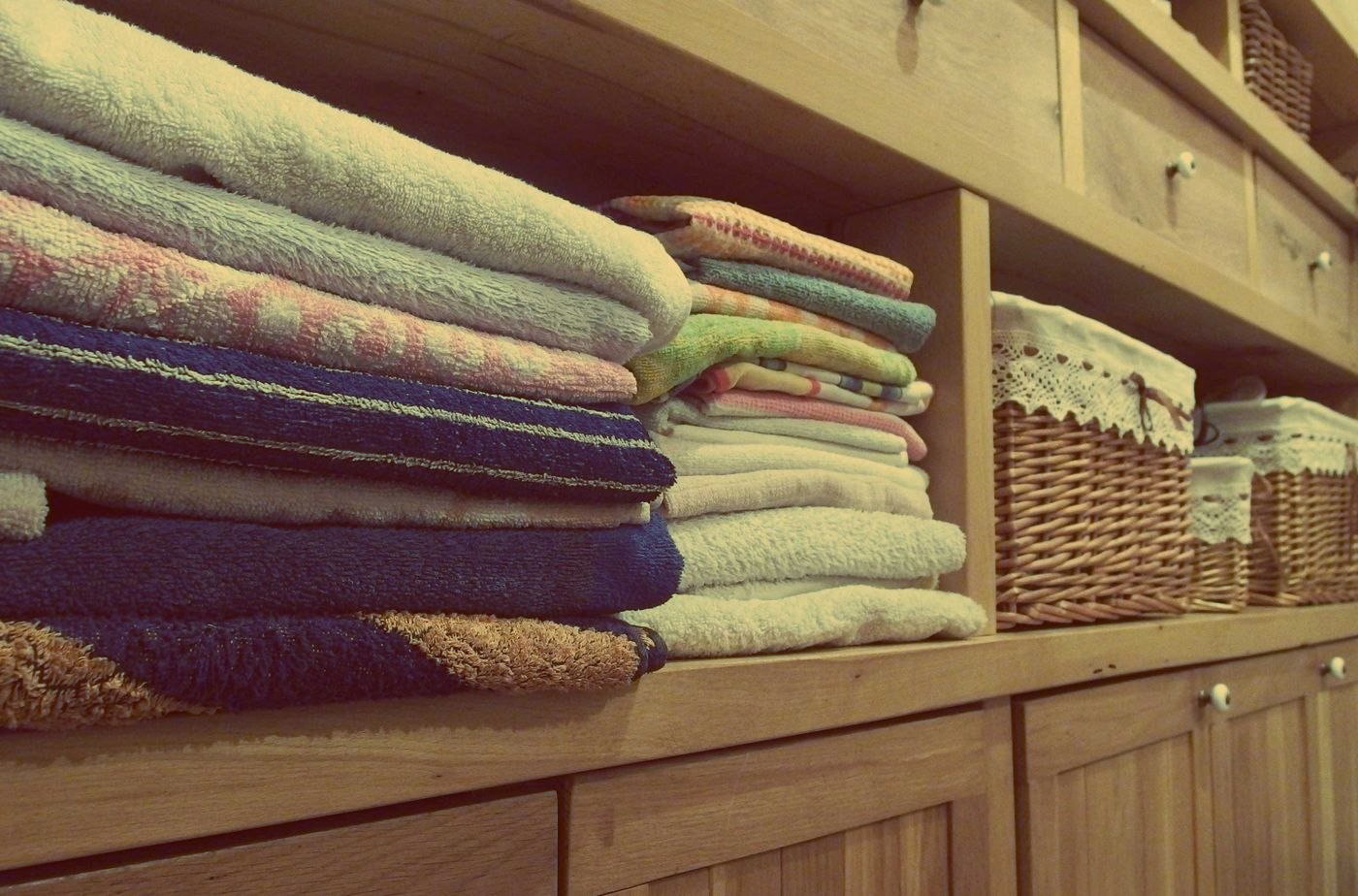
Choose containers only for items that need grouping. A basket can hide small supplies, but several identical baskets may reduce visibility unless clearly labeled. Consider whether you are making the contents easier to use or merely harder to see.
Test the cleaning burden
Imagine removing and replacing everything to clean the shelf. If that process is more work than you want to repeat, simplify the display. Keep fragile objects out of crowded areas where they are likely to be bumped during ordinary use.
In kitchens and bathrooms, consider moisture, grease, and cleaning needs when choosing what remains exposed. Follow material-care instructions and avoid storing items where splashes or heat make the location unsuitable.
After a few weeks, notice what has migrated onto the shelf. Those objects may need a destination elsewhere. Restore the shelf’s purpose before buying another storage unit; otherwise, the same undefined collection may simply spread across a second surface.