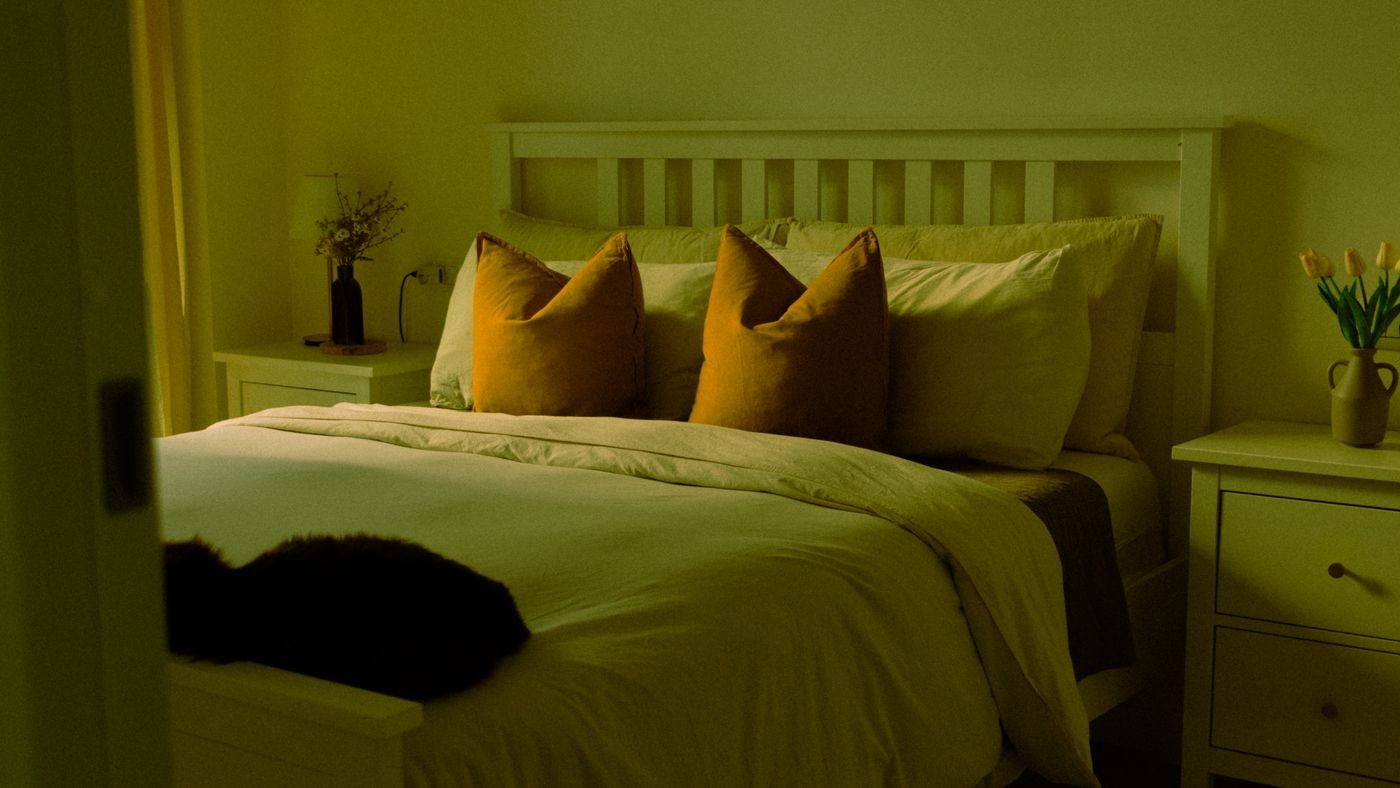
A bedtime routine has to fit the evening you actually have. A long list of soothing activities can become another unfinished job, especially when dinner runs late or several people share the bathroom. Begin with the few things that help you finish the day, then give them an order. The purpose is a recognizable transition, not a nightly performance.
Find the point where the evening changes
Look at two or three ordinary evenings before choosing a starting time. Notice when dishes, work messages, television, and getting ready for the next day tend to overlap. A useful cue might be finishing the kitchen cleanup or turning off the living-room television. Choose something that usually happens rather than relying on an ambitious new schedule.
The National Heart, Lung, and Blood Institute recommends a regular sleep schedule and quieter time before bed. Translate that general guidance into a manageable household arrangement. For example, you might finish tomorrow’s preparations first, wash and change, then read somewhere comfortable. There is no requirement to buy a sleep accessory or fill every minute.
Separate preparation from winding down
Packing a bag can settle a practical concern, but sorting a whole week of paperwork can reopen the working day. Keep preparation narrow: put the items you need by the door, check one calendar entry, and leave larger decisions for a named time tomorrow. A small note can hold an unfinished task without requiring you to solve it at bedtime.
Put the things used during the routine where they belong. A book within reach, a clear path to the bathroom, and pajamas in a predictable drawer reduce unnecessary searching. If two people have different bedtimes, arrange clothes and charging devices so the later person does not need to switch on the main bedroom light.
Keep a shorter version for late nights
An evening that ends later than expected does not need a compressed version of every usual step. Decide in advance which essentials remain. You might leave the decorative cushions alone, skip tomorrow’s outfit selection, and do only personal care and the simplest preparation for morning. A routine is easier to return to when one interruption does not feel like a failure.
Avoid treating the routine as a test of whether you can fall asleep on command. Its steps can create an opportunity to settle, but they do not guarantee sleep. Keep clocks and tracking results from becoming another evening assignment if checking them repeatedly adds pressure.
Review the friction, not your discipline
After a week, ask where the sequence became awkward. Perhaps the bathroom was occupied, the phone charger was too far from an essential alarm, or cleanup kept expanding. Change the arrangement that caused the problem. Moving one task earlier may be more useful than adding another relaxation activity.
Keep what serves the household and remove steps that are only there because a suggested routine included them. If sleep problems persist or daytime sleepiness interferes with daily life, discuss them with a health professional. A domestic routine can support the evening, but it cannot identify or treat the cause of an ongoing sleep concern.