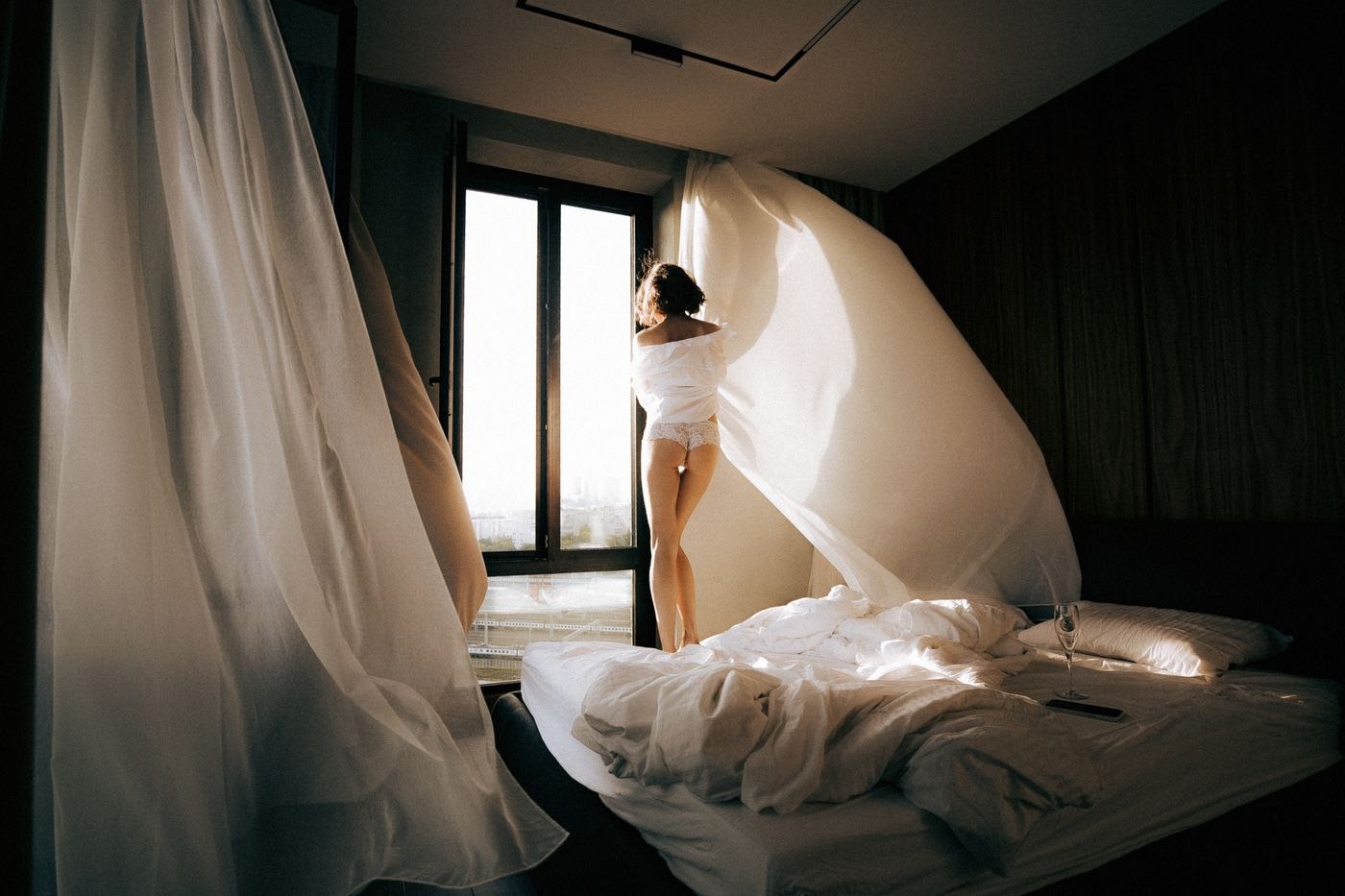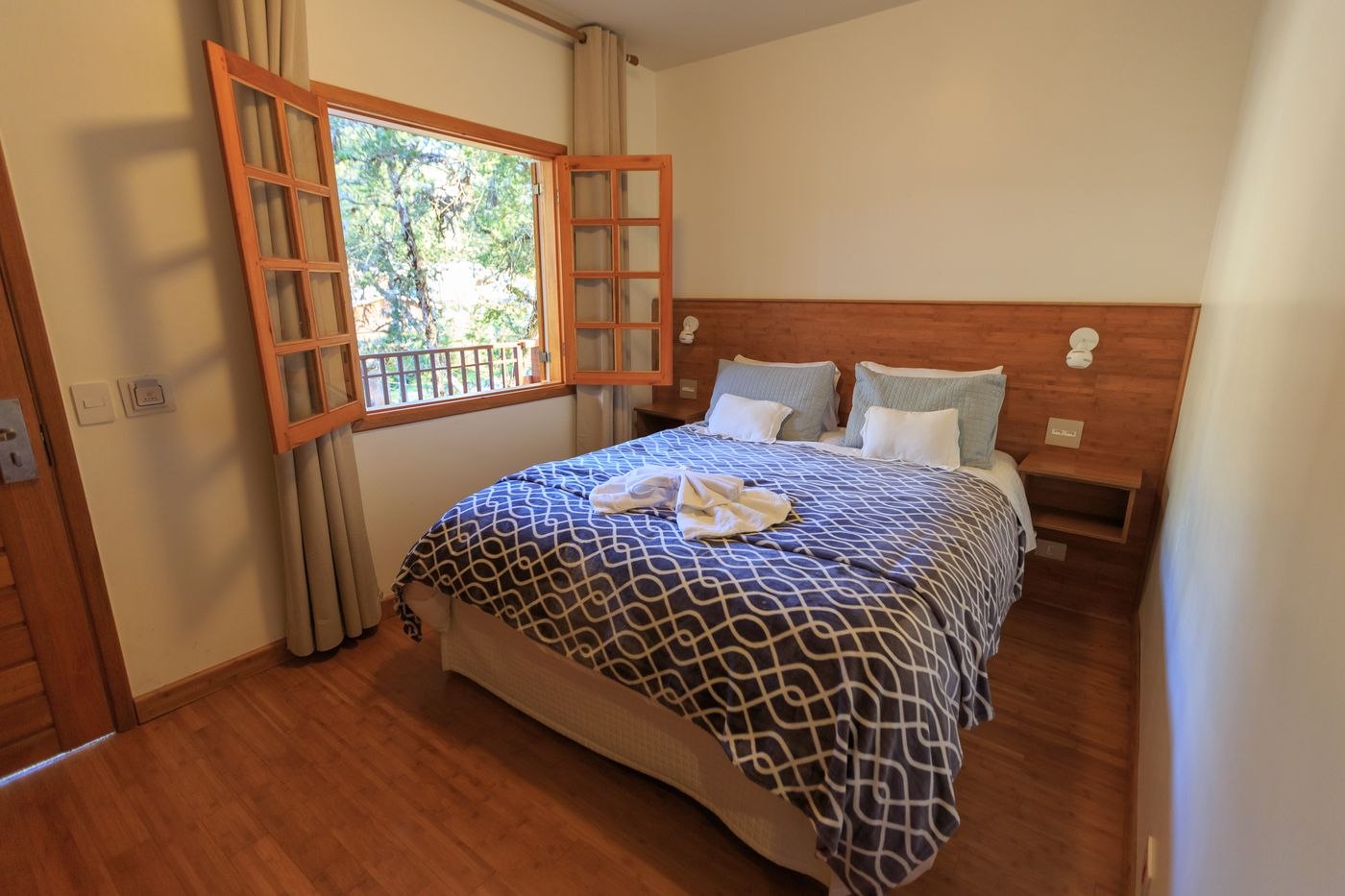
A curtain can look substantial in a photograph and still leave a bright line around the window. Choosing bedroom curtains starts with identifying where the light enters. The fabric matters, but so do the width of the panels, the space above the rod, and the way the curtains close.
Look at the window at the relevant time
Check the bedroom when unwanted light is strongest. An early sunrise, a streetlight, and a neighbor’s porch light create different problems. Note whether the light comes through the fabric, around its sides, or above the fitting. This tells you whether a different material or better coverage is the more useful change.
Consider what the room needs during the day as well. Curtains that remain closed because they are awkward to move can make a bedroom inconvenient to use. A separate privacy layer may let you admit daylight without opening the room fully to neighboring windows.
Measure the installation, not only the glass
Record the window width, the available wall space on either side, and the distance from the proposed rod to the intended hem. Allow for the manufacturer’s recommended panel fullness. A flat panel stretched across the opening rarely closes or hangs like the fuller arrangement shown in product photographs.
Check nearby furniture, heating equipment, and doors before choosing a long drop. Follow required clearances for any heater. The curtain should not obstruct a ventilation opening or interfere with a door that needs to open fully. In a rental, check what fixing methods are permitted before ordering hardware.
Read the details behind light-control labels
Blackout, room-darkening, and light-filtering descriptions indicate different aims, but compare the actual product specifications rather than assuming every seller uses identical terms. Look for information about lining, coverage, care, and the return policy. A fabric sample can help you assess texture and color, although it cannot reproduce the installed result.
Choose cordless window coverings where young children live or visit; CPSC identifies cords as a strangulation hazard. Keep beds and climbable furniture away from windows and cords. Finally, make sure the finished arrangement can be opened easily for ordinary use and does not block an emergency exit. Test the fit before disposing of packaging so an unsuitable purchase can be returned.