A freezer inventory fails when it requires more attention than the meals it supports. Keep only information that helps you find and use food: what it is, roughly how much is available, when it was stored, and where it sits. A simple record that changes with each movement is more useful than a detailed list that stays frozen in time.
Choose the recording method you will use
A paper sheet near the freezer, a whiteboard, or a shared digital note can all work. Consider who adds and removes food. If only one person can access the record, it may quickly become inaccurate in a shared household.
Use familiar food names and useful quantities. “Two dinner portions of lentil soup” is easier to act on than an unexplained container count. Include a location if the freezer has several drawers or compartments.
Label the food itself
The inventory should not be the only place identifying a container. Label packaging with contents and a relevant date before it goes in. Use packaging suitable for freezing and follow food-specific preparation and storage guidance.
If a container is already unidentified, do not invent a date or assume it is safe because it is frozen. Consider its known storage history and appropriate food-safety advice. An inventory organizes information; it cannot recover information that was never recorded.
Update at the point of movement
Add the entry while putting food away and cross it off when removing it. Keep a pen or the digital shortcut convenient. Waiting until the end of the week requires remembering several changes and makes discrepancies more likely.
For foods used gradually, record a quantity that is easy to adjust. Three portions becoming two is straightforward. Counting every small individual item may add unnecessary work unless that detail genuinely helps your meals.
Separate quality planning from safety
USDA explains that food kept continuously frozen at 0°F remains safe indefinitely, while recommended freezer storage times generally concern quality. This does not mean freezing makes previously unsafe food safe, or that storage history no longer matters.
Keep the freezer at the appropriate temperature and use a thermometer as needed. Follow official guidance after a power interruption or uncertain thawing rather than relying on the inventory date alone. Plan safe thawing before choosing a frozen item for dinner.
Review against actual meals
Look at the record before shopping and choose a few items that fit the coming week. Do not build a meal plan around an ingredient you cannot identify or have no suitable time to thaw.
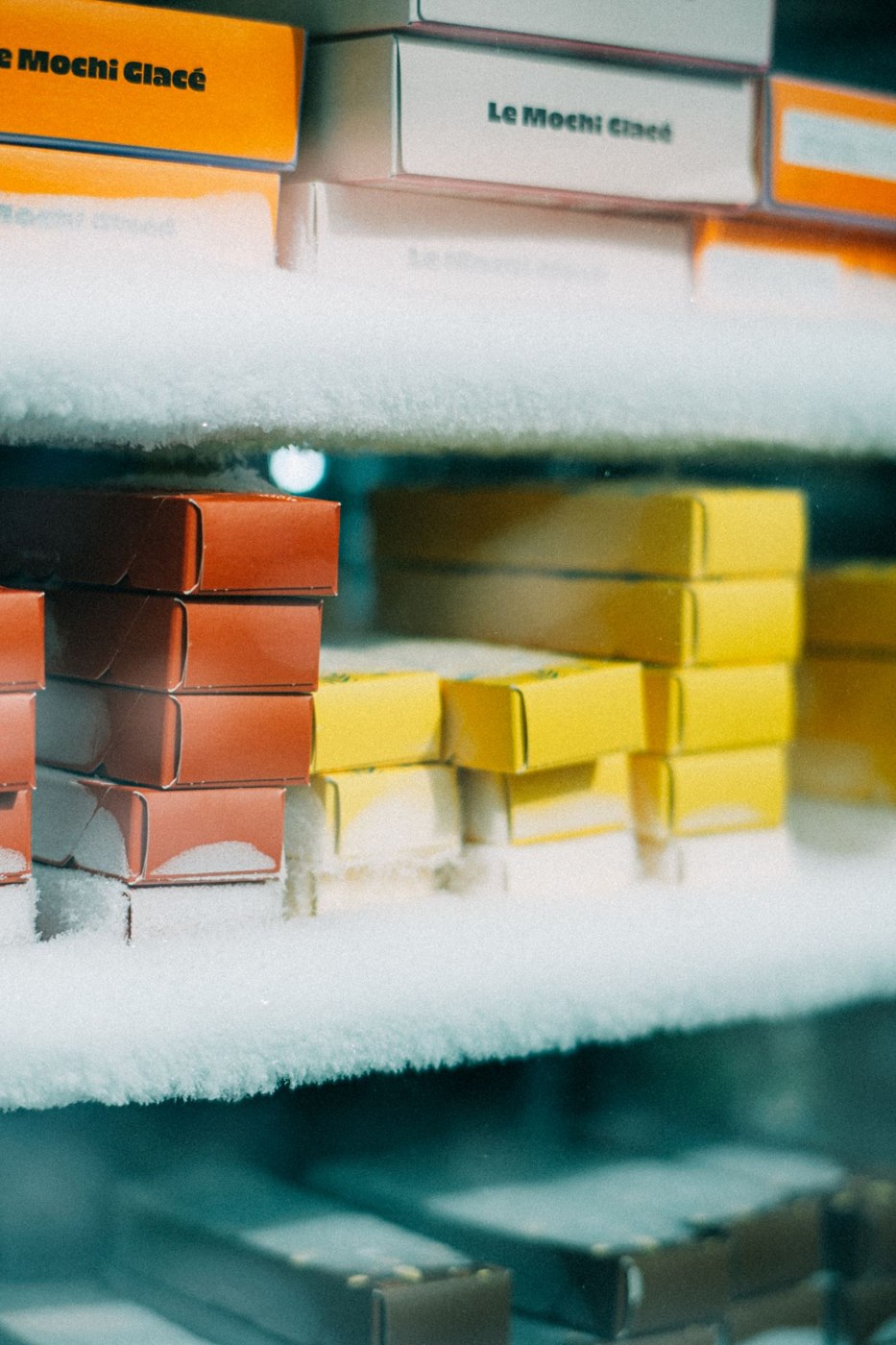
Occasionally compare the record with the freezer itself, working promptly so food remains properly stored. Correct the list and simplify categories that proved difficult to maintain. If an item stays on the list month after month, consider whether your buying or cooking quantities need to change.