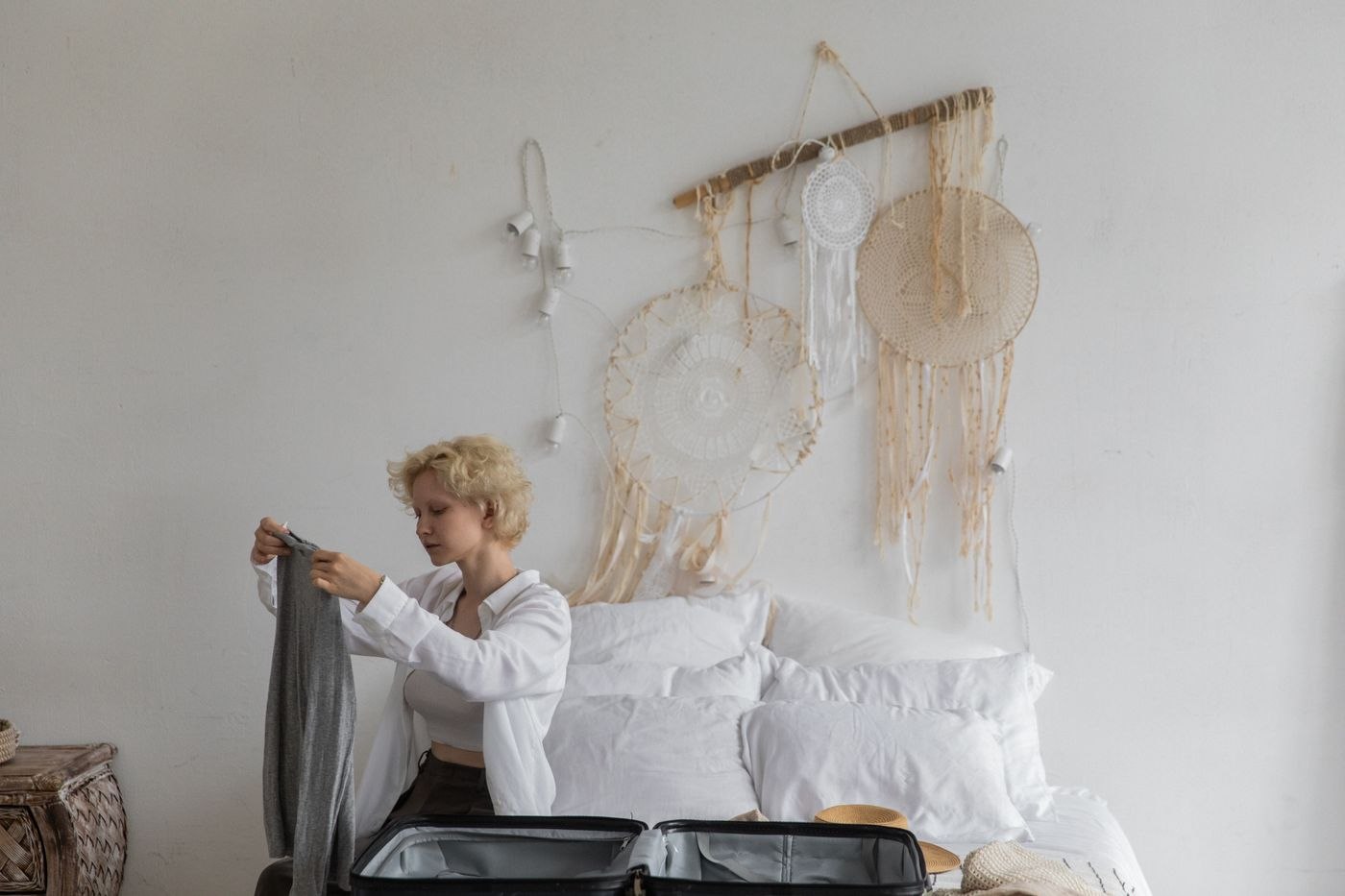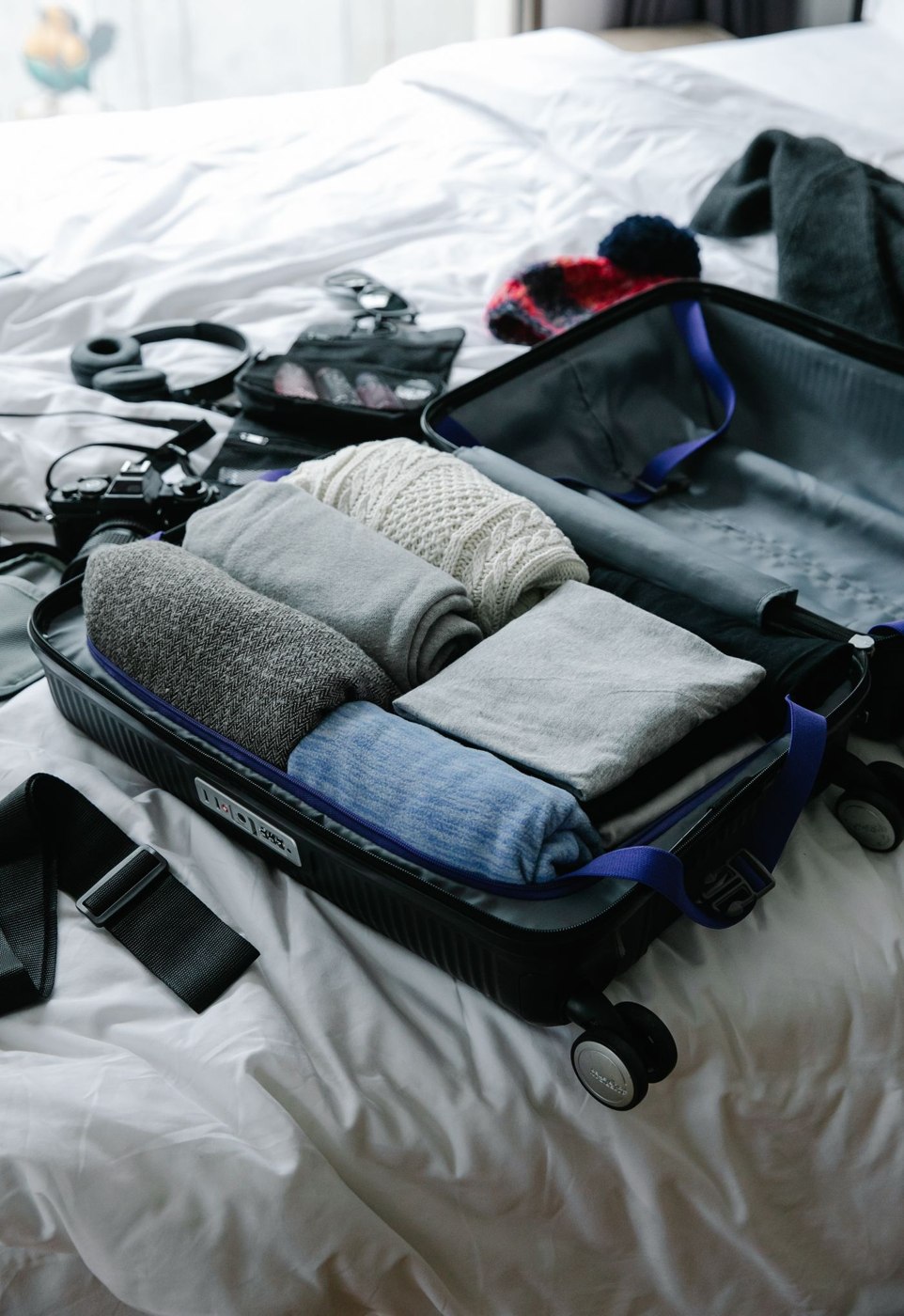
The suitcase often stays open because unpacking is treated as one large job. In reality, it contains several smaller jobs with different priorities: putting away documents, separating laundry, restoring toiletries, and deciding what to do with things brought home. Handling those groups in order makes the first evening less crowded.
Take out what needs attention first
Return medication and sensitive documents to their appropriate storage. Deal with any food according to its storage needs and condition. Separate wet items from the rest of the bag so they do not remain bundled up while everything else waits.
Place laundry in its usual destination, checking pockets and care requirements as you go. Do not start every load immediately if there is no drying space or time to finish. A sorted, contained load is more useful than several damp loads waiting for attention.
Restore the next ordinary day
Put essential toiletries back where they are used and find the clothes or work items needed tomorrow. Check the next fixed commitment without trying to plan the entire week. A simple meal and a clear sleeping space may matter more than arranging souvenirs.
If several people traveled, share the work by task or belongings. One person can handle shared documents while others empty their own bags, for example. Make responsibilities clear rather than assuming that the person who packed will automatically unpack everything.
Give the suitcase a finish line
Choose a time to empty the remaining compartment, inspect the bag, and return it to storage. Leave it clean and dry. Travel adapters, packing pouches, and other reusable travel items can be stored together if they are not needed for daily life.
Keep a short note of something useful for the next trip, such as a missing adapter or an unused bulky item. Do this before the details disappear from memory, but avoid turning unpacking into an extensive review of every packing decision.
Let the routine return gradually
After travel across time zones or an unusually demanding journey, the household may need a less crowded day. Avoid scheduling every delayed chore for the first evening. Resume ordinary arrangements where possible while recognizing that travel circumstances differ.
If a particular routine no longer fits, adjust it deliberately instead of assuming it must return unchanged. The aim is to restore useful access to food, clothing, sleep, and daily commitments. Decorations and travel photographs can wait until those basics are working again.