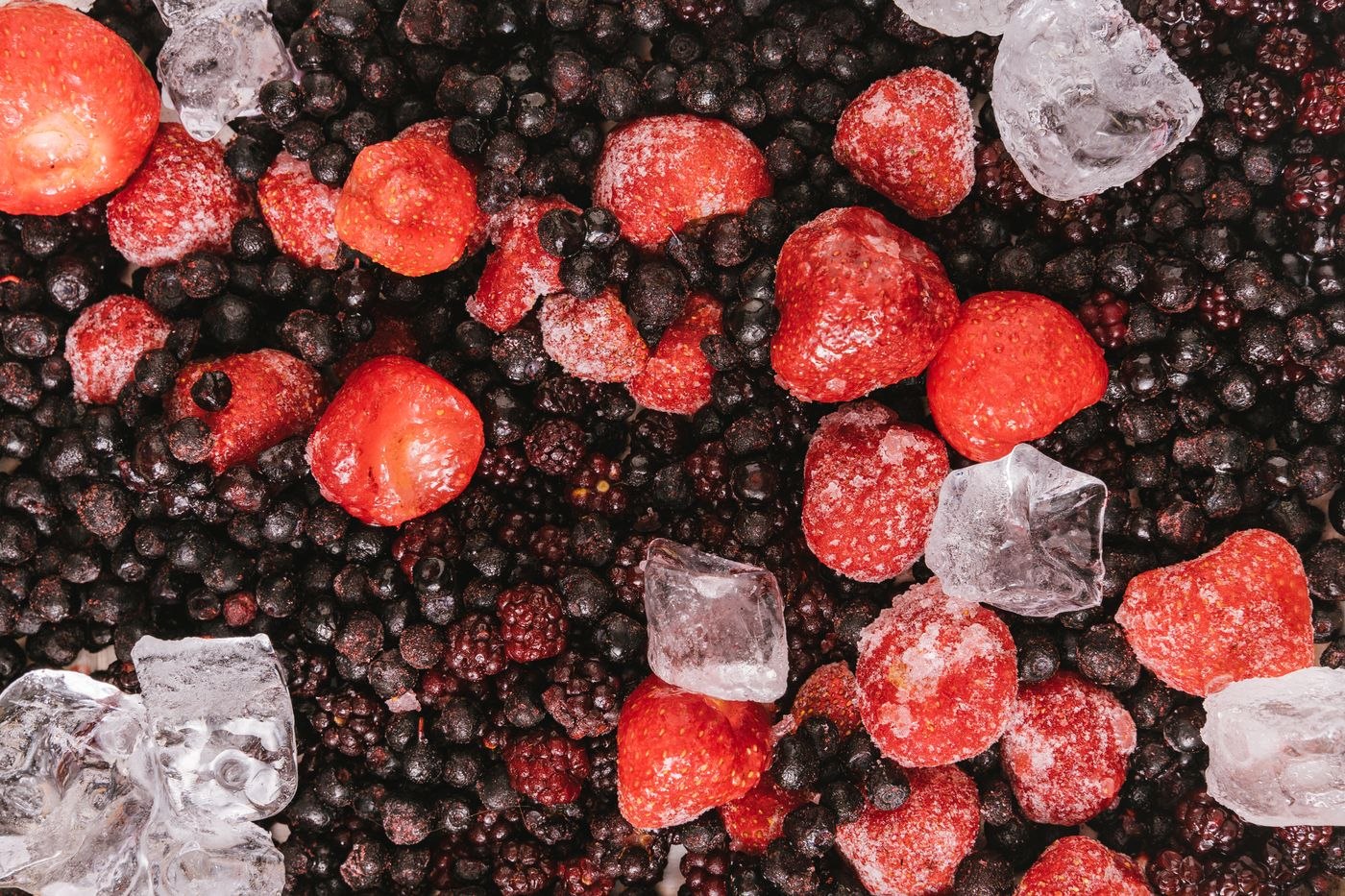
A frozen ingredient needs a place in the meal plan before it needs a place on the counter. Choosing a thawing method early helps prevent the familiar situation in which dinner time arrives and the food is still solid. Food-safety guidance recognizes refrigerator thawing, cold-water thawing and microwave thawing, with different handling requirements. Leaving perishable food on the kitchen counter is not a safe shortcut.
Make refrigerator space part of the plan
Refrigerator thawing keeps food cold while it defrosts. Use a refrigerator at 40°F or below and a suitable container to contain any liquid. Put raw animal products where leakage cannot contaminate other food. Allow enough time; a large item may require substantially longer than a small portion. Check guidance for the particular food rather than assuming that overnight is always sufficient.
Before moving an item from the freezer, identify the meal that will use it. Mark that intention on the household plan if several people cook. A package quietly moved to the refrigerator can be overlooked when nobody knows it was meant for tomorrow. Keep its label and any product instructions available while it thaws.
Cold water requires attention
USDA's cold-water method uses a leak-proof bag submerged in cold tap water, with the water changed every 30 minutes. Food thawed this way should be cooked immediately. This is an attended preparation task, not something to start before leaving home for several hours. Do not replace cold water with warm water to speed things up.
Choose a clean container or sink arrangement large enough for the package. Clear the surrounding workspace first so the thawing setup does not compete with washing vegetables or preparing ready-to-eat food. If the household is busy, tell others what is happening and who is keeping track of the water changes.
Microwave thawing changes the schedule
Follow the microwave's instructions for the food and its quantity, including appropriate containers and any turning or separating steps. Cook food immediately after microwave thawing. Some areas can begin warming or cooking during defrosting, so this method belongs immediately before the cooking stage rather than in advance of a later meal.
Have the rest of the cooking setup ready before starting. Find the pan, prepare unrelated ingredients and check the recipe. This avoids a situation in which defrosting is finished but the intended next step cannot begin because equipment is missing or another dish occupies the stove.
Keep a different dinner available
Sometimes the safest adjustment is to make another meal. A pantry option or a food that can be cooked from frozen according to its instructions may fit the evening better than rushing an unsuitable method. Do not assume every recipe works from frozen; confirm the instructions and allow for the required cooking time.
When plans change after thawing, check storage guidance for the specific food and method used. Safe storage windows are not identical for every ingredient. The method matters too, so do not treat food thawed in cold water as though it had spent the whole time safely refrigerated.
Record the useful detail for next time
Notice which portion sizes and packages are convenient for the meals you make. Freezing future food in suitable smaller portions can make planning easier, without changing the need for safe thawing. A label identifying the contents and quantity saves another decision. The goal is not the fastest possible defrost; it is a method that fits safely into the meal you have time to prepare.