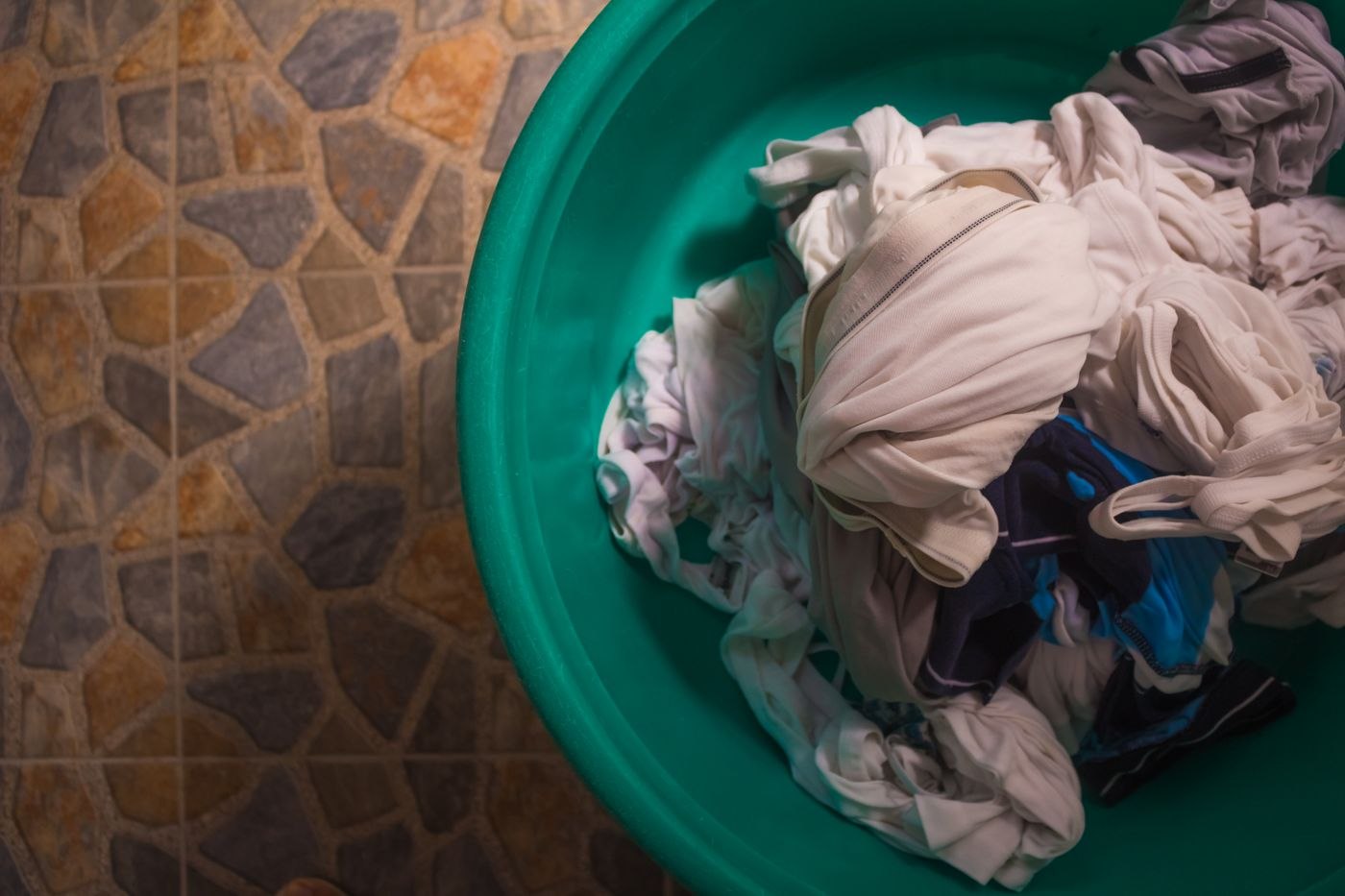
A laundry basket becomes difficult to manage when it holds several different jobs without showing the difference. Ordinary clothes, damp towels, delicate garments, and items needing attention can all arrive together. Sorting earlier helps, but only if the system is simple enough for everyone who uses it.
Choose categories that lead to real loads
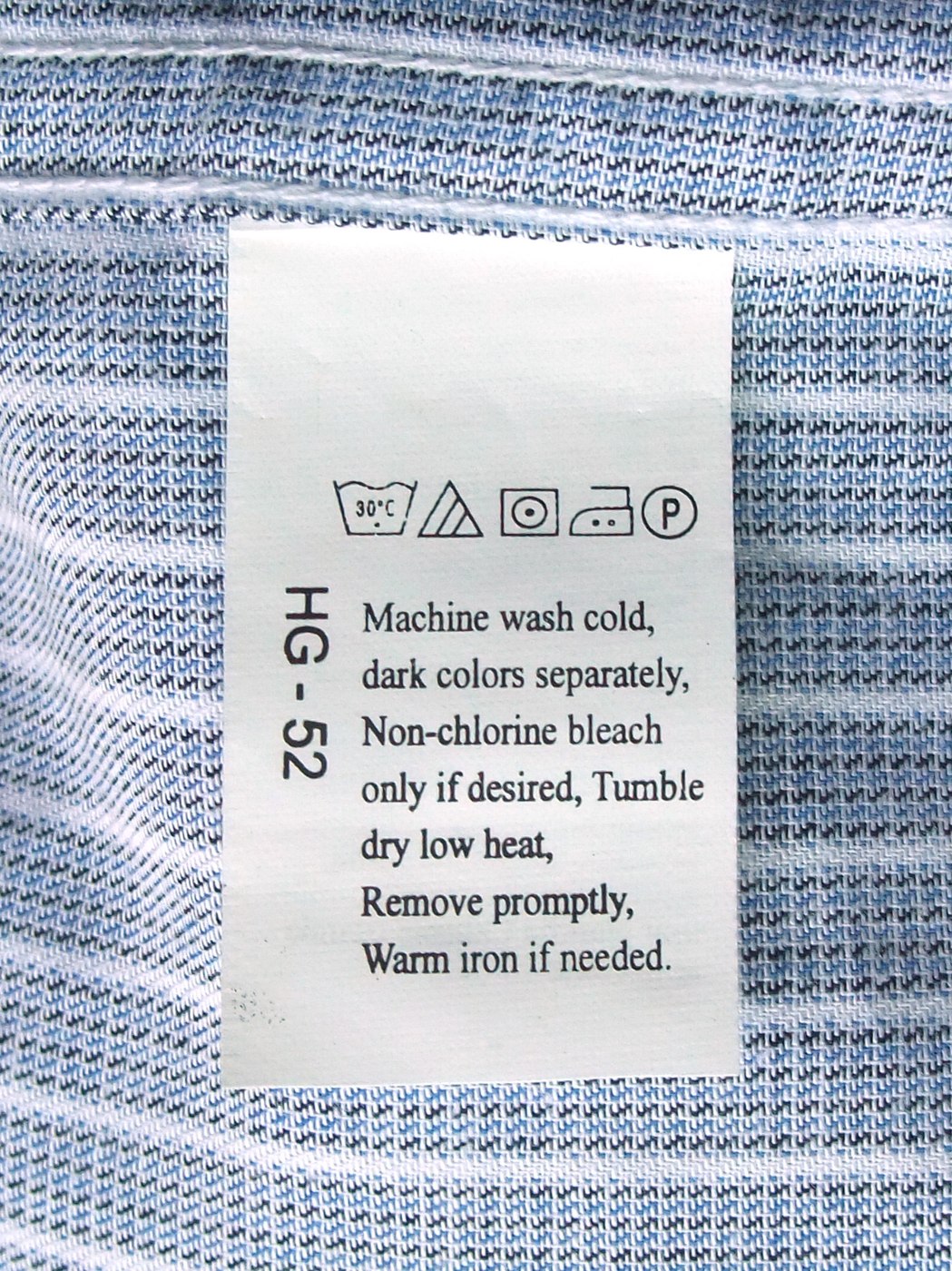
Begin with the care requirements of your actual clothing and linens. Separate items that need a different wash or drying method. Follow garment labels rather than assigning every item to a category based only on color or appearance.
A household with little space may use one basket and sort immediately before washing. Another may benefit from two or three containers. More compartments are not automatically better: each one should represent a useful distinction, not a category so narrow that it never forms a manageable load.
Keep damp and problem items visible
Do not bury wet towels or clothing in a dense pile of dry laundry. Let suitable items dry safely before placing them in the hamper, or wash them promptly as appropriate. Keep any drying arrangement out of walking paths and away from heaters.
Give stained or damaged garments an identifiable place. A small note or separate container can distinguish “needs attention” from “ready to wash.” Otherwise, an item may pass through the ordinary cycle before someone remembers why it was set aside.
Make the sorting instruction understandable
Labels should describe what belongs in a container in words the household uses. If children participate, keep the categories simple and supervise as needed. Do not make people guess which of several similar baskets is intended for their clothes.
Keep laundry products securely stored and in their original labeled packaging. Sorting clothes is separate from handling detergent or other chemicals. Children can help with appropriate tasks without having access to concentrated products.
Plan for completion rather than only washing
Look at dryer capacity, indoor drying space, and time to put clean laundry away. Starting more loads than you can finish moves the bottleneck rather than removing it. A smaller completed load can be more useful than several baskets in different stages.
If the basket regularly overflows on the same day, consider moving one ordinary load earlier or assigning a clearer handoff. Define whether the person starting a load also dries and returns it. Unclear responsibility often looks like a storage problem.
Review the system when the household changes
A new sport, school uniform, work schedule, or seasonal layer can change the volume and care mix. Adjust the categories accordingly. Do not preserve a sorting arrangement that was designed for clothing no one currently wears.
Leave enough space to lift a basket without snagging clothes or blocking a doorway. If the containers themselves dominate the room, simplify. The useful result is compatible laundry reaching the machine and returning to use, not a row of baskets that requires constant explanation.