A reading light has two jobs that can conflict: illuminating the page and avoiding glare in the reader’s eyes. In a shared bedroom, it also needs to avoid shining across someone else’s pillow. Assess it from the bed rather than only from the shop display or the doorway.
Start with the reading position
Sit where you usually read, with the pillow or back support you normally use. Hold a book at a comfortable distance and identify where a light could reach the page without your head or hand creating a strong shadow. A lamp on the opposite side of the bedside table may behave very differently.
Check whether you can operate the switch without leaning across a drink or stretching behind the bed. An adjustable lamp is only useful if the adjustment is easy enough to use. If the room is shared, have the other person lie in their usual position while you test the beam.
Compare the fitting and its controls
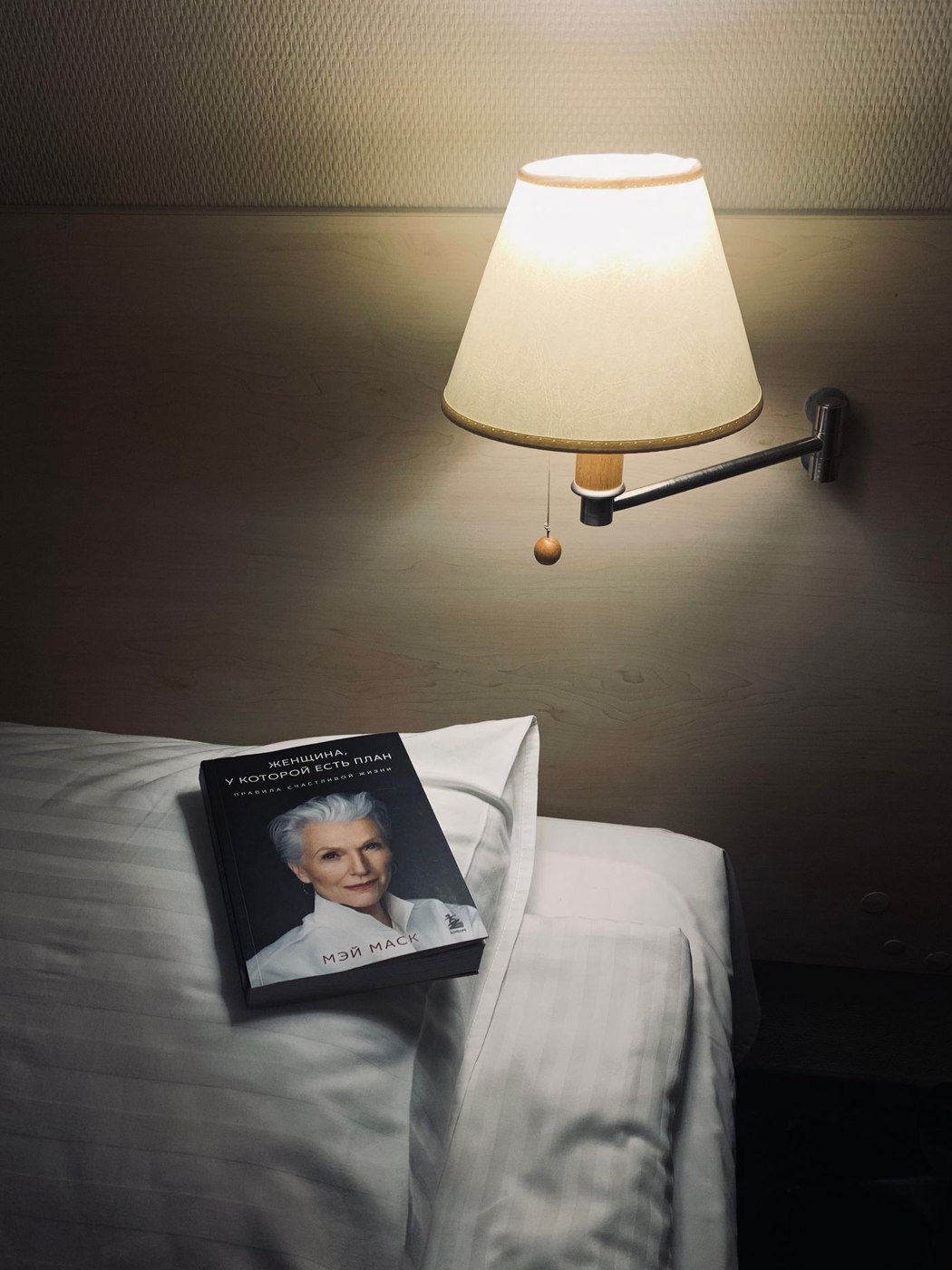
Look at the shade, the direction of the light, and the range of movement. An exposed bulb can produce glare even when its output is modest. A dimming control can be convenient, but the lamp and bulb must be compatible with it.
Follow the fixture’s stated bulb requirements, including its maximum wattage and suitable bulb type. Never drape fabric over a lamp to soften the light. Keep bedding and other combustible materials away from the fitting, following its instructions.
Give the cable a safe route
Place the lamp on a stable surface where it will not be knocked off during ordinary movement. Keep the cord away from door hinges and drawer mechanisms. Do not conceal it under a rug, where damage or heat may go unnoticed.
If the nearest outlet forces a cable across a walking path, reconsider the position before adding an extension. Wall-mounted options require appropriate installation and permission where applicable. Battery-powered products still need their own charging and use instructions followed.
Try it beyond the first evening
Read different materials under the light: a paperback, a larger book, or whatever you normally use. Notice whether you keep shifting the page to avoid reflections or shadows. Adjust the position before deciding that more brightness is the only answer.
A light that works for reading may not adequately illuminate the route to the bathroom. Keep task lighting and safe movement as separate needs. If visual difficulty persists despite a reasonable setup, seek appropriate eye-care advice rather than relying entirely on brighter lamps.