Warm-weather preparation is partly about making familiar rooms easier to use. Heavy bedding may need storing, a sunny desk may need a different position, and the most comfortable seat may change with the afternoon light. These adjustments help with ordinary warm days. Extreme heat requires a separate safety plan; a pleasant-looking room is not evidence that its temperature is safe.
Observe the hottest part of the day
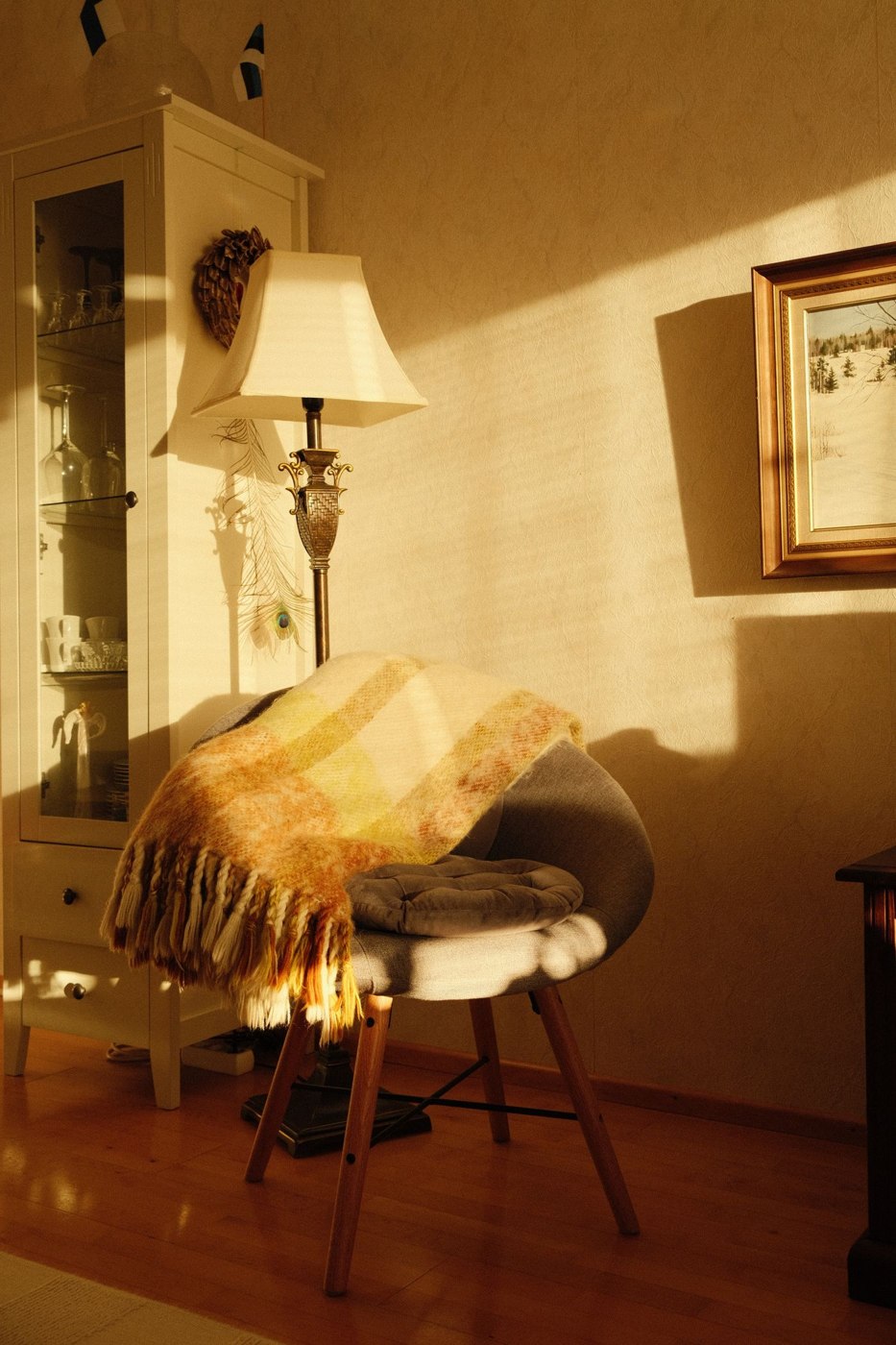
Notice which rooms become warm first and where direct sun falls. If suitable window coverings are already installed, use them to manage strong sunlight. Check that they do not interfere with ventilation or equipment. Move a desk or reading chair away from an uncomfortable patch of sun when the layout allows it.
Review bedding in layers. Store items that are no longer needed only after cleaning and drying them according to their instructions. Keep one lighter alternative accessible rather than packing every blanket away. Different people may prefer different layers, so avoid making one person's comfort setting the household default.
Check equipment before relying on it
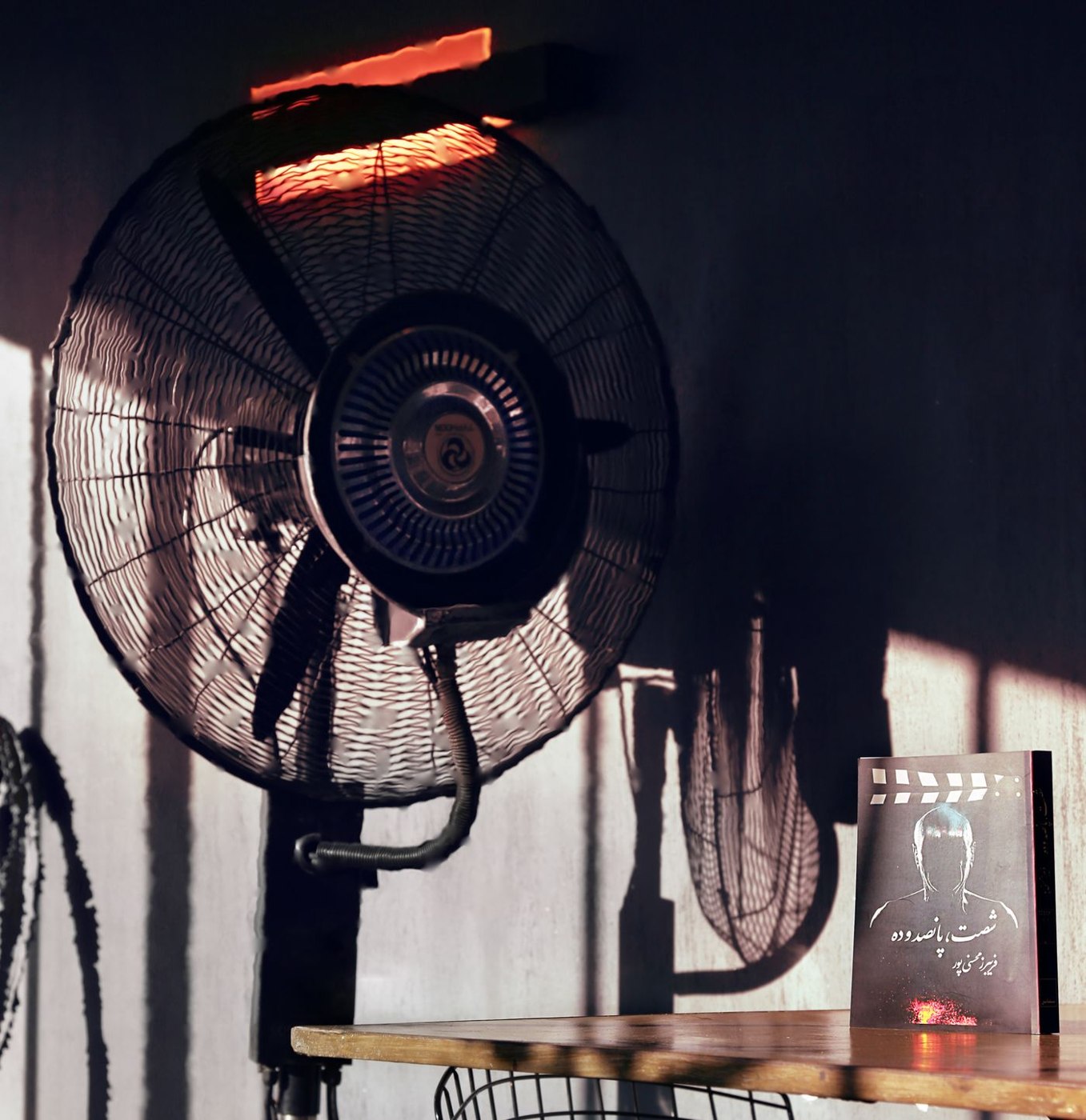
Clean and maintain cooling equipment according to its manual, and arrange professional service where required. Keep vents unobstructed and cords out of walking routes. A fan placed on an unstable stack of books is not an acceptable way to reach a particular angle. Use a stable surface and the product's intended setup.
Do not assume fans alone protect against dangerous heat. CDC advises using fans only when indoor temperatures are below 90掳F; above that level, a fan can increase body temperature. During extreme heat, use air conditioning or find an air-conditioned place, and follow local health guidance. Plan that option before conditions become difficult.
Plan for the room you cannot cool adequately
Before a hot period, identify a suitable air-conditioned location you could use if the home becomes too hot. Check its actual opening arrangements and how household members would get there. Include access needs and any care responsibilities in the plan. A place that closes early or cannot accommodate the people involved may not solve an evening problem.
If you rent, report cooling faults through the appropriate channel and keep a record of the issue. Do not rely on an unapproved electrical setup or an improvised window installation to compensate. Equipment needs to be suitable for the building and installed according to its requirements.
Keep the plan easy to find. One household member may usually handle the weather forecast, but others should know what to do if that person is away. A short note with the agreed destination, transport option, and relevant local guidance is more useful than assuming that everyone will independently reach the same decision.
Make the daily arrangement lighter
Move seasonal equipment out of entryways and clear surfaces near frequently used windows. Keep drinking-water containers accessible, with their cleaning routine in mind. If outdoor shoes or picnic supplies arrive indoors more often, give them a defined place rather than allowing the hallway to expand into storage.
Consider nighttime use as well as afternoons. A room that feels tolerable at noon may remain uncomfortable after sunset. Check local forecasts and heat alerts, especially when household members have needs that make heat more hazardous. Medical questions about heat and personal health belong with a healthcare professional.
Write down any equipment fault or missing practical item discovered during the first warm spell. Addressing a broken blind or a poorly placed cord is more useful than buying several new summer accessories without testing the room's actual conditions.