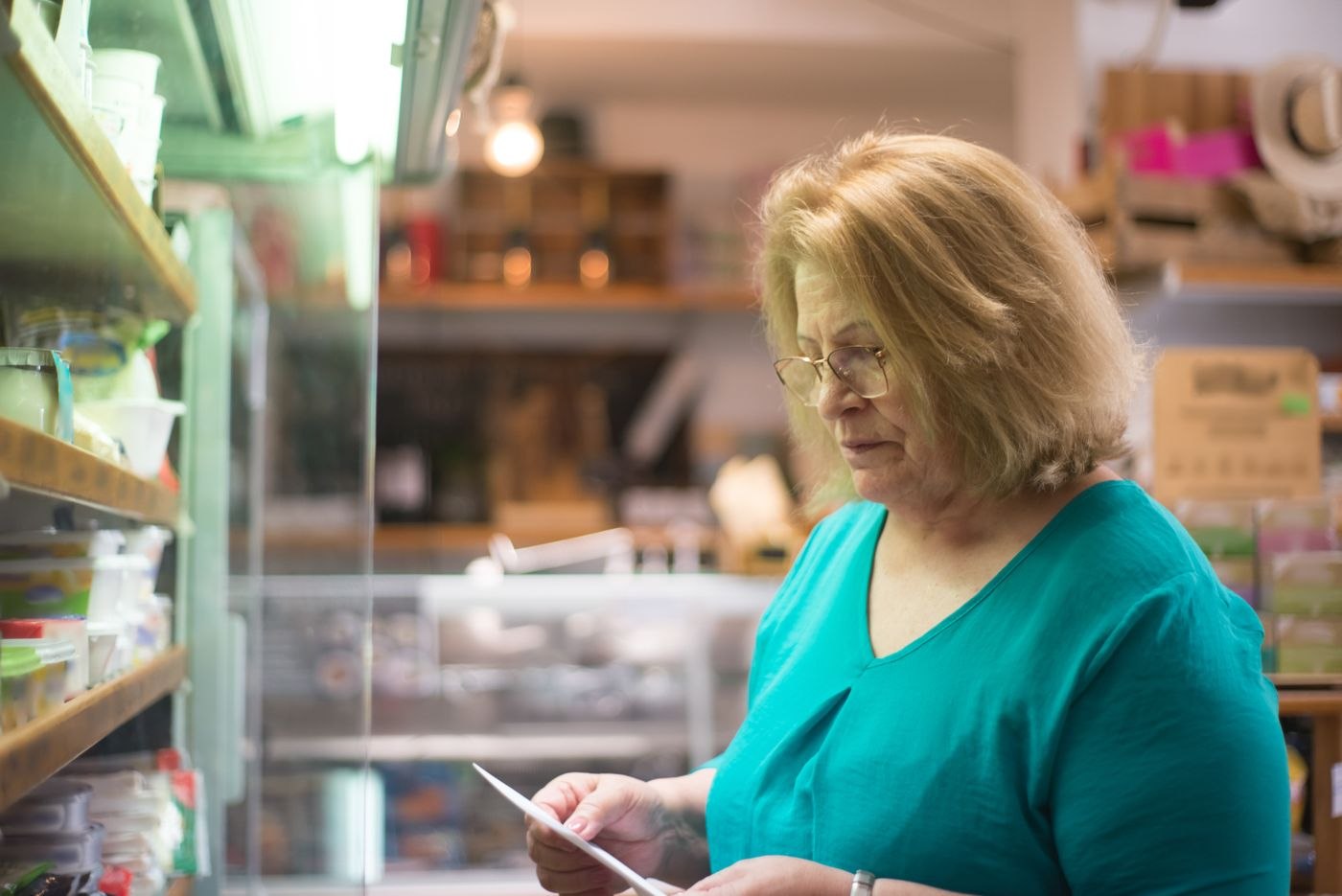
Combining errands can save repeated journeys, but only when the stops belong together. A route that carries refrigerated groceries through several unrelated appointments creates a different problem. Start with the tasks, their timing, and what you will be carrying. Then choose the order. A shorter route is useful only if it also suits the practical requirements of the purchases and the people traveling.
Confirm each stop
Check that the return is within its allowed period, the prescription or order is ready, or the service can be completed at the planned time. Bring required documents and identification as appropriate. Do not assume that a familiar shop still offers the same service or opening hours; verify before a special trip.
Group stops by area, but also consider parking, walking distance, access needs, and the weight of items. A route that looks efficient on a map may involve carrying a bulky parcel much farther than expected. Decide whether it is sensible to combine that task with the others.
Put supplies where they can be found
Keep the list accessible without needing to search through bags at every stop. Separate items to return from new purchases so they are not confused. If several household members add requests, agree on one list and mark completed items promptly.
Plan food shopping with safe storage in mind. Follow the storage requirements for the products you buy and make the trip home appropriately prompt. If suitable temperature control cannot be maintained during other stops, change the route or make the food purchase separately. Do not let the desire to combine errands override product care instructions.
Leave room to drop a stop
Traffic, queues, or a delayed appointment may make the original plan unrealistic. Identify the optional stop in advance. Skipping it deliberately is preferable to rushing through every task or carrying purchases longer than intended.
At home, finish the errand by putting items away, handling receipts that matter, and updating the shared list. A bag left by the door can make a completed purchase look unfinished and lead to duplicates. Note anything unavailable and decide whether it still requires another trip, rather than automatically rebuilding the same route for the next day.