A container can fit a shelf and still fail at its job. Its handles may catch on the door, its lid may require more clearance, or the contents may become too heavy to lift. Measure the full movement from storage to use, not only the space where the box will sit.
Start with the contents
Group the items that genuinely belong together and remove what belongs elsewhere. Their shape and weight should guide the container. Long tools, soft textiles, and small loose pieces need different kinds of access.
Avoid buying a large set of matching boxes before knowing these groups. Uniform containers can look orderly while wasting space or hiding incompatible contents. Reuse suitable containers temporarily to learn what dimensions work.
Measure the narrowest point
Record the shelf’s usable width, depth, and height, then measure the door opening and any hinges or rails that restrict removal. Check whether the lid opens in place or whether the entire box must come out.
Leave clearance for hands and handles. A container that fills the opening exactly may be difficult to retrieve when loaded. If the shelf is high, consider whether lifting the proposed weight is safe and convenient.
Compare access styles
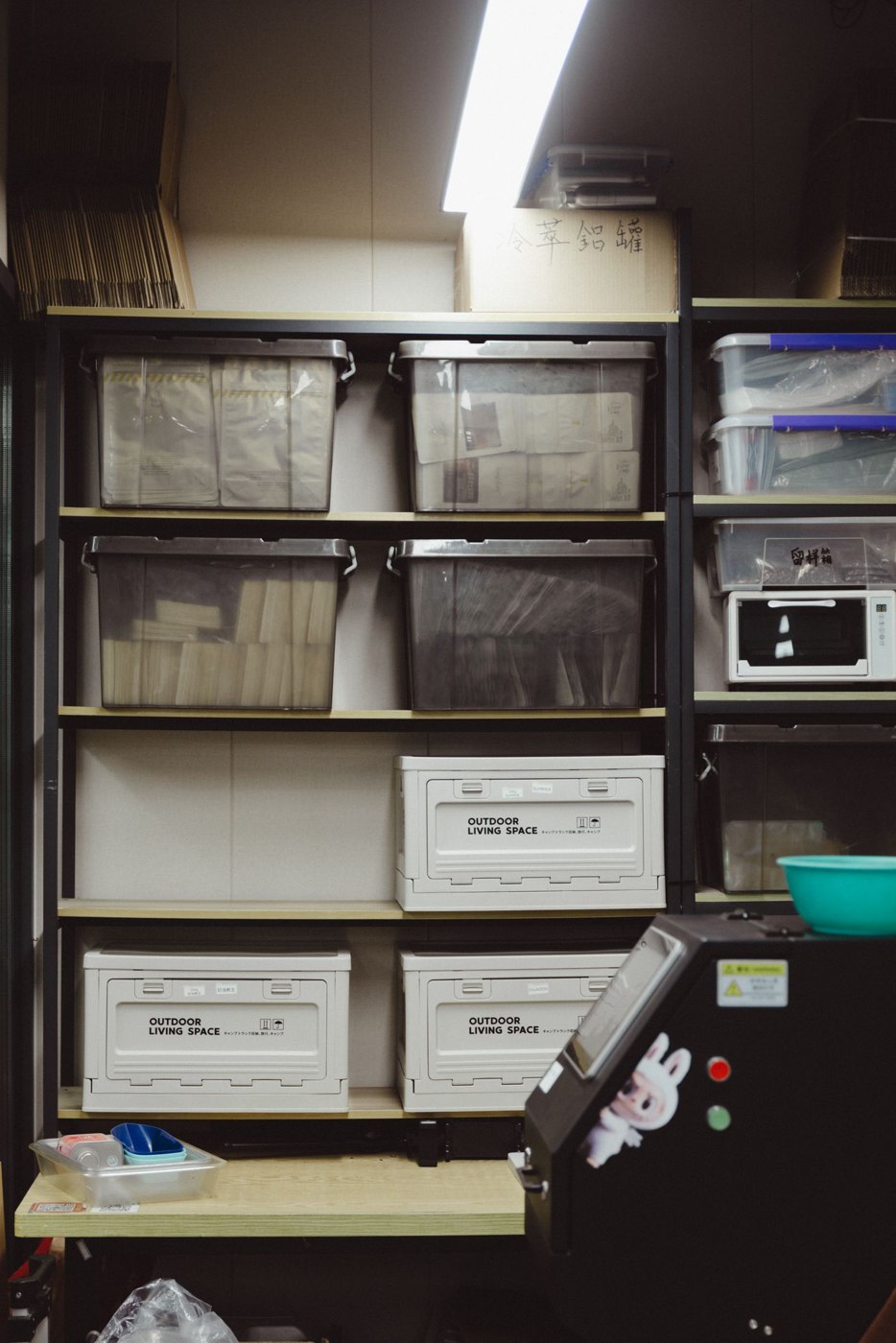
An open bin suits items reached frequently, while a lidded container may suit less-used goods that need protection. Transparent sides can help identification, but labels may be clearer when contents are similar or privacy matters.
Drawers, baskets, and stacking boxes each create a different retrieval sequence. If the bottom container is used daily, stacking several above it will add work. Arrange frequent use at the front or top without compromising stability.
Check the material and setting
Choose a container suitable for the storage conditions and contents. Food, chemicals, delicate textiles, and batteries have requirements beyond ordinary tidiness. Follow relevant product instructions and do not use an organizer to bypass safe storage.
Check shelf capacity and the container’s handles or fastening points. A box that can hold many items may still be uncomfortable to carry when full. Smaller groups can be more usable than one large heavy container.
Test before expanding
Buy or trial one container first where possible. Fill it, remove it, return it, and use it for several days. Notice whether people leave the lid off or place items beside it; that may reveal an access problem.
Only expand the system once the fit is proven. Keep a little spare capacity for ordinary use, but do not treat empty container space as a reason to acquire more belongings. The container should serve the collection you need rather than define how much you keep.