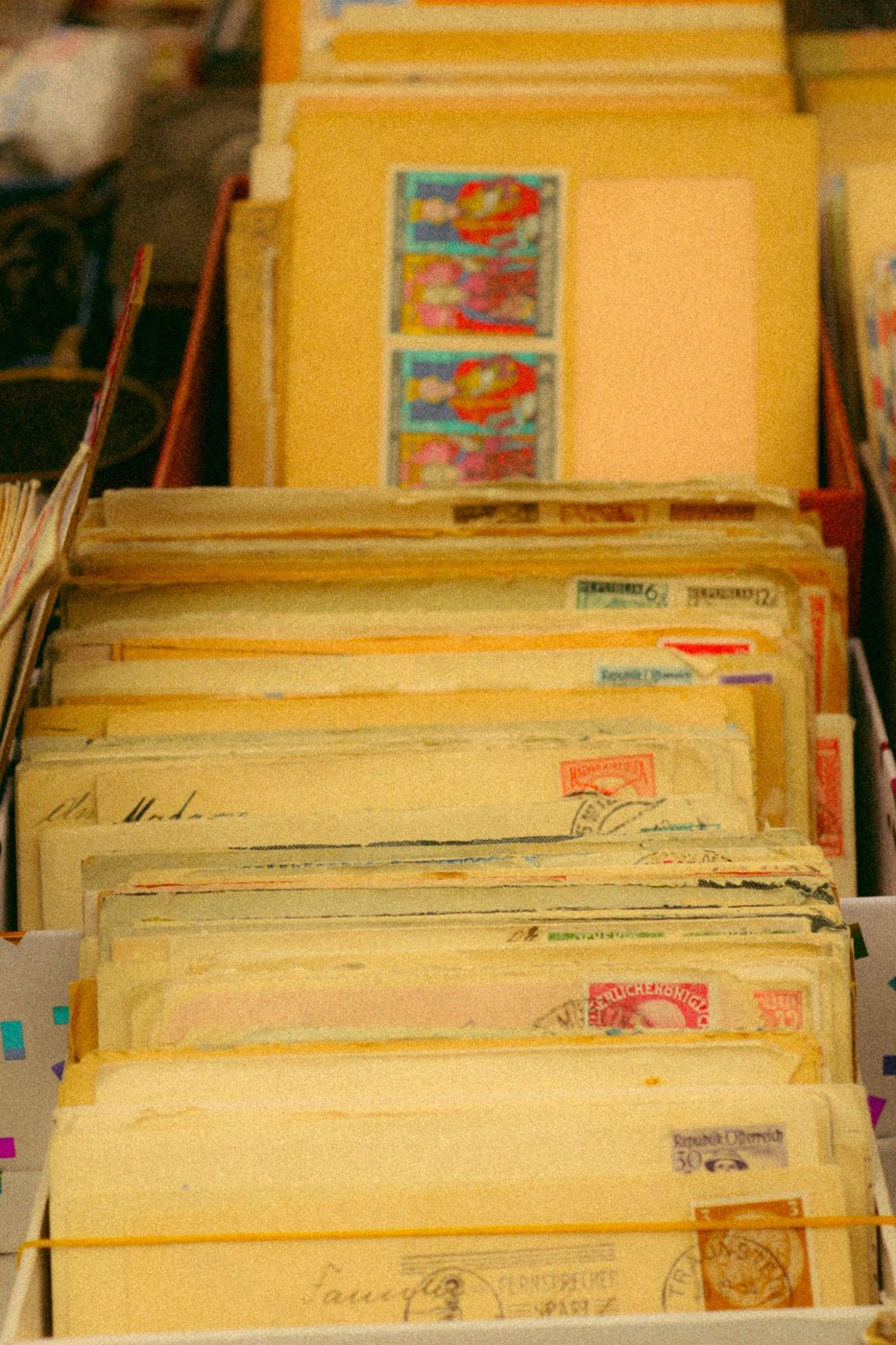
Mail often lands where there is a free surface. A week later, an appointment letter may be mixed with advertisements, envelopes, and a receipt someone wanted to keep. A review point helps interrupt that accumulation. It can be a tray beside a desk or a folder near the household paperwork, provided the location is convenient enough to use and does not expose personal details unnecessarily.
Choose a place with an action nearby
The review point should be close to where you can read, make a note, or enter a date. A decorative basket by the door may collect mail successfully but still fail if nobody ever reviews it. Pick a location with decent light and a clear surface, and decide when the contents will be checked.
Keep the container modest. A large bin can hide several weeks of decisions. Separate unopened mail from documents already reviewed, so a quick glance shows what still needs attention. Let each adult handle private correspondence unless you have agreed otherwise.
Make a small number of decisions
When opening mail, identify whether it needs action, reference storage, or disposal. Put a real deadline into the household's calendar or task system. Keep the letter with any materials needed to respond. A form requiring a signature should not be buried in a general filing folder before it is completed.
Store reference documents according to their purpose and any applicable retention needs. Do not assume that every official-looking envelope must be kept indefinitely, or that every scanned copy can replace an original. For legal, financial, or tax records, consult the relevant issuer or qualified adviser when the requirements are uncertain.
Finish the review
Remove empty envelopes and unwanted inserts according to local recycling rules. Handle papers containing sensitive information appropriately. Return borrowed pens and clear the surface so the next batch of mail has an obvious place.
If the tray repeatedly overflows, investigate the stalled decisions. The problem may be an unanswered question, an unclear responsibility, or a review time that never happens. Buying a larger organizer will not resolve those causes. A reliable small review habit is more valuable than an elaborate set of labeled slots that nobody empties.